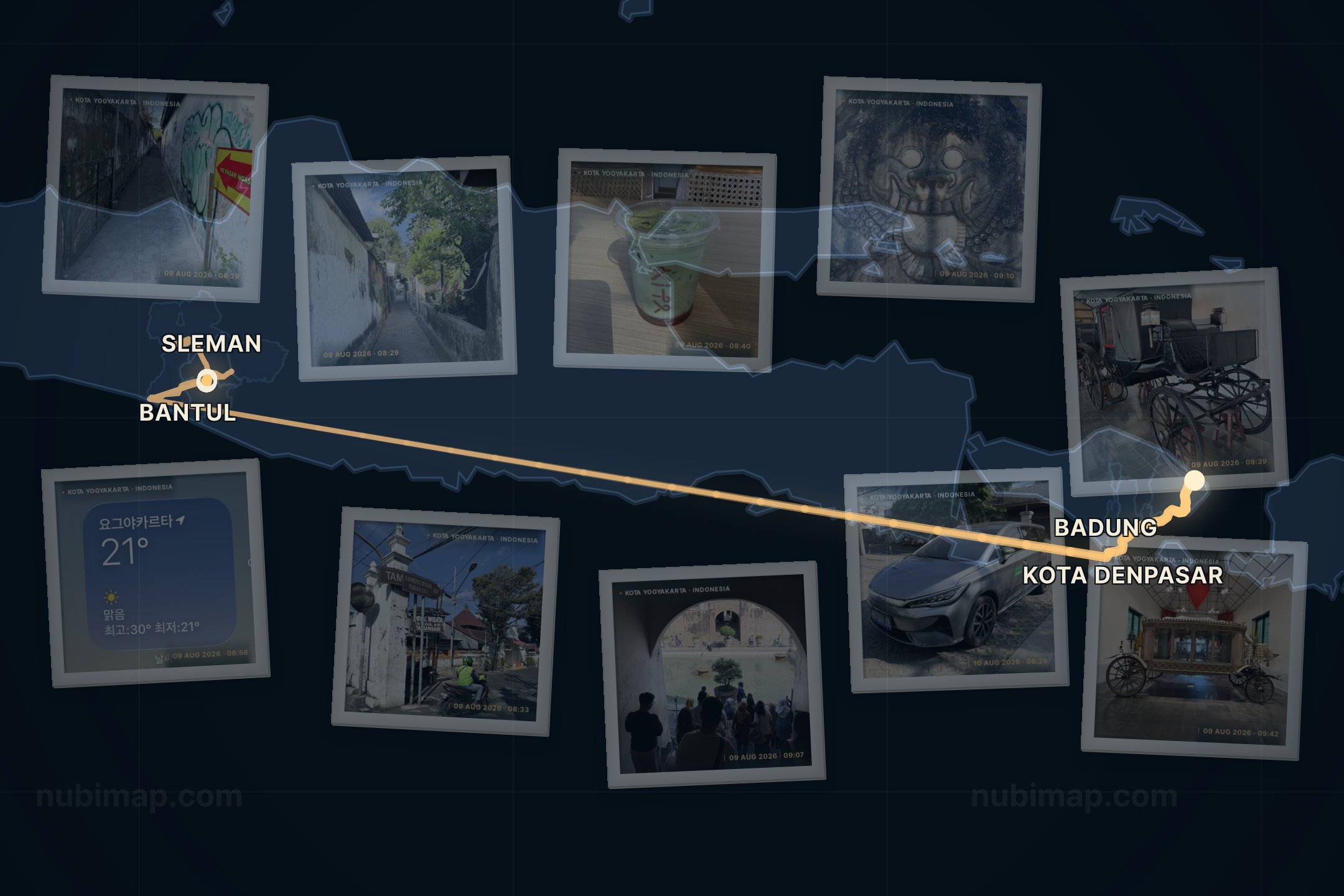
Morning at the Water Castle and the Warmth of Old Alleys
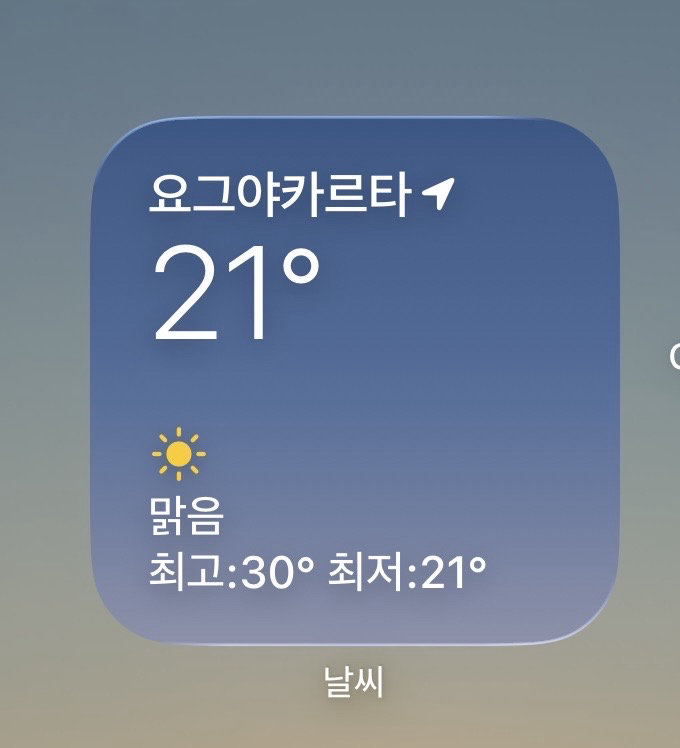
The morning in Yogyakarta, which had just entered the dry season, was unexpectedly cool. The temperature displayed on my smartphone screen was 21°C. Before the heat of the day could rush in, the low-lying air felt incredibly refreshing on my skin. Realizing it would be a waste to let a morning in this season of high temperature swings slip away, I quickly laced up my shoes and headed out.
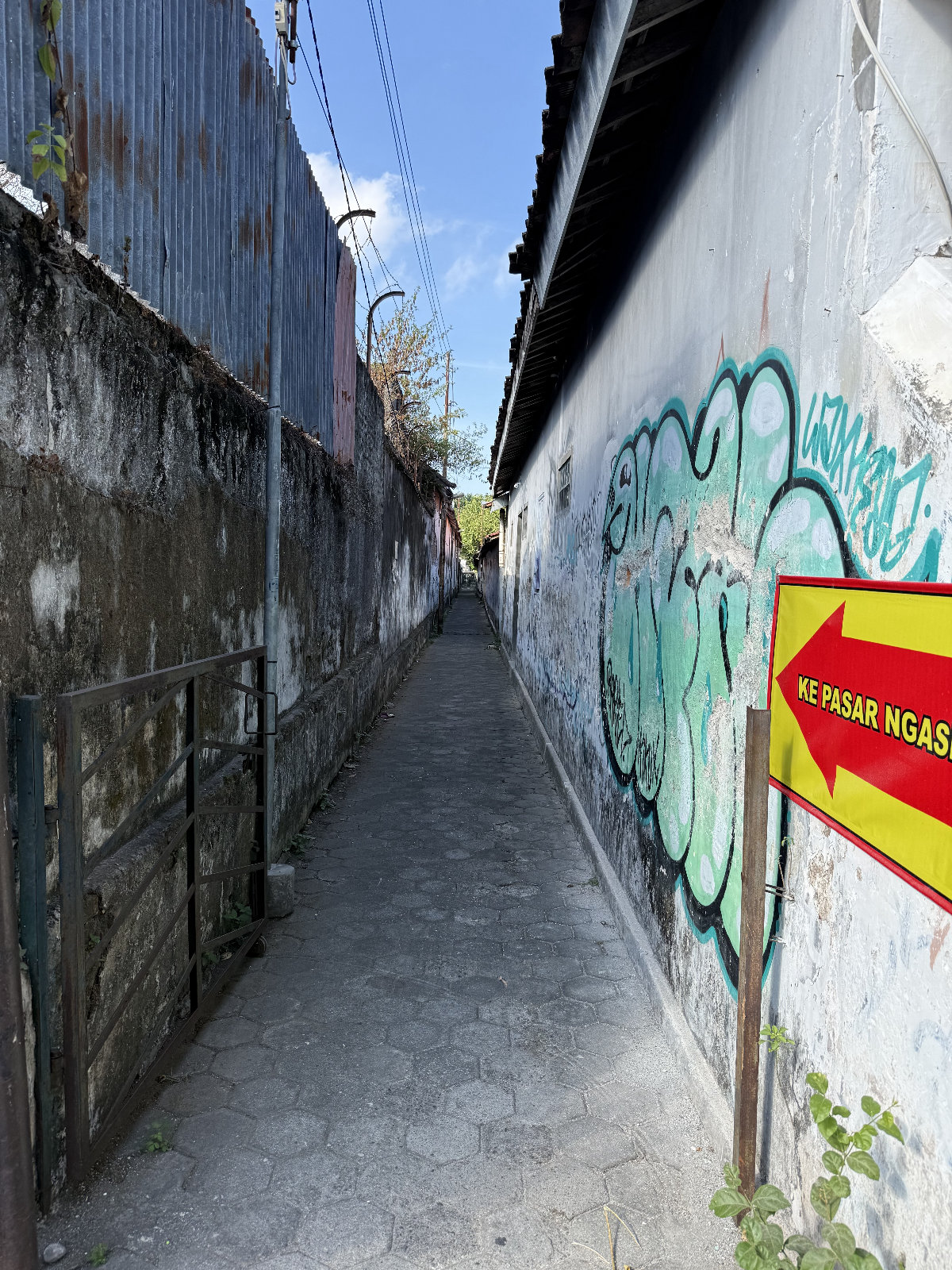
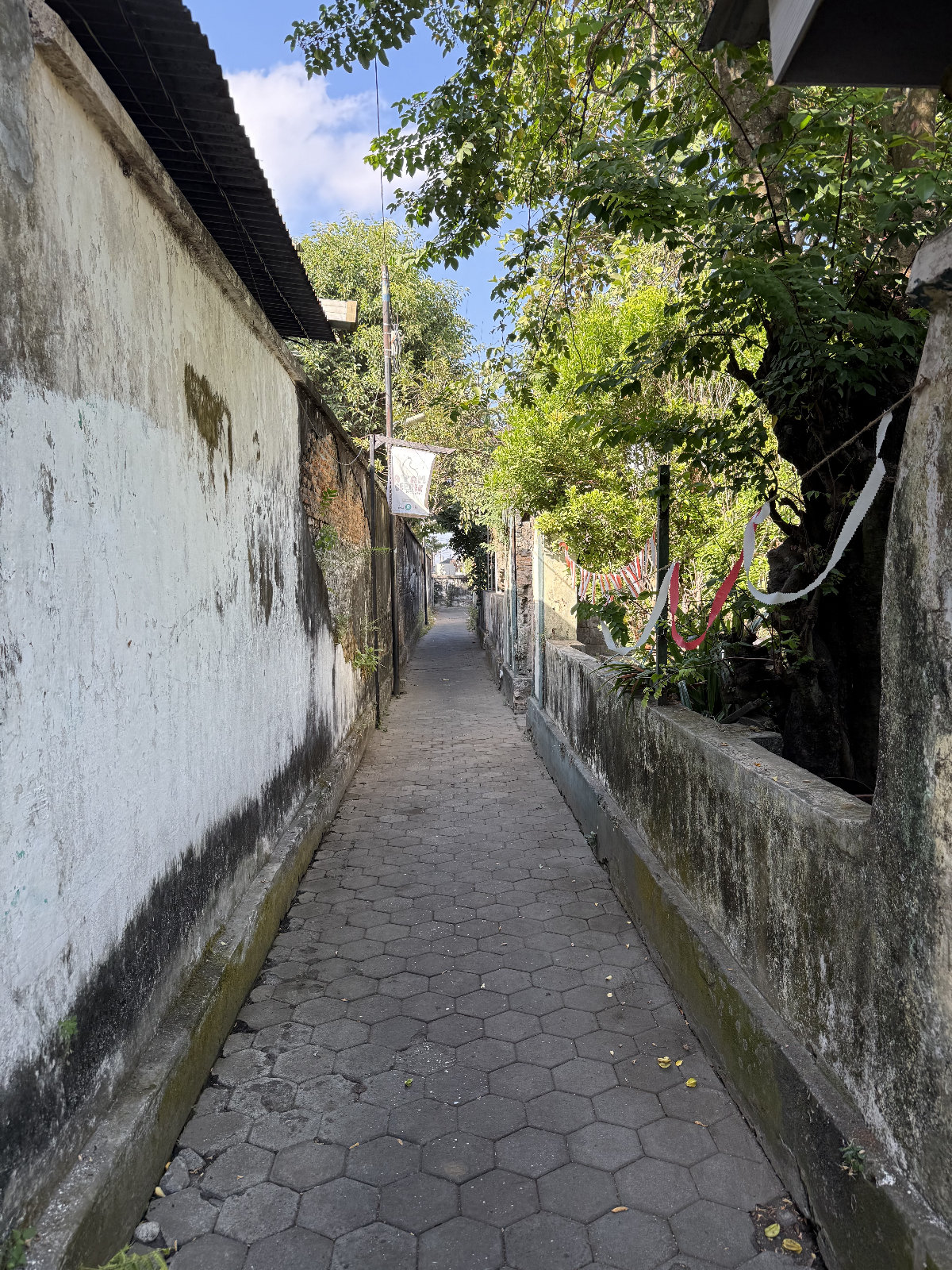
My destination was Taman Sari, a secret royal retreat. Leaving the main road behind, I turned into a winding alleyway. The narrow path, where colorful graffiti met faded bricks on every wall, somehow felt completely harmless and innocent. These alleys, barely wide enough for a single motorcycle to pass, are traces of the paths once trodden by royal court members, and are now the peaceful heart of the local residents' daily lives.
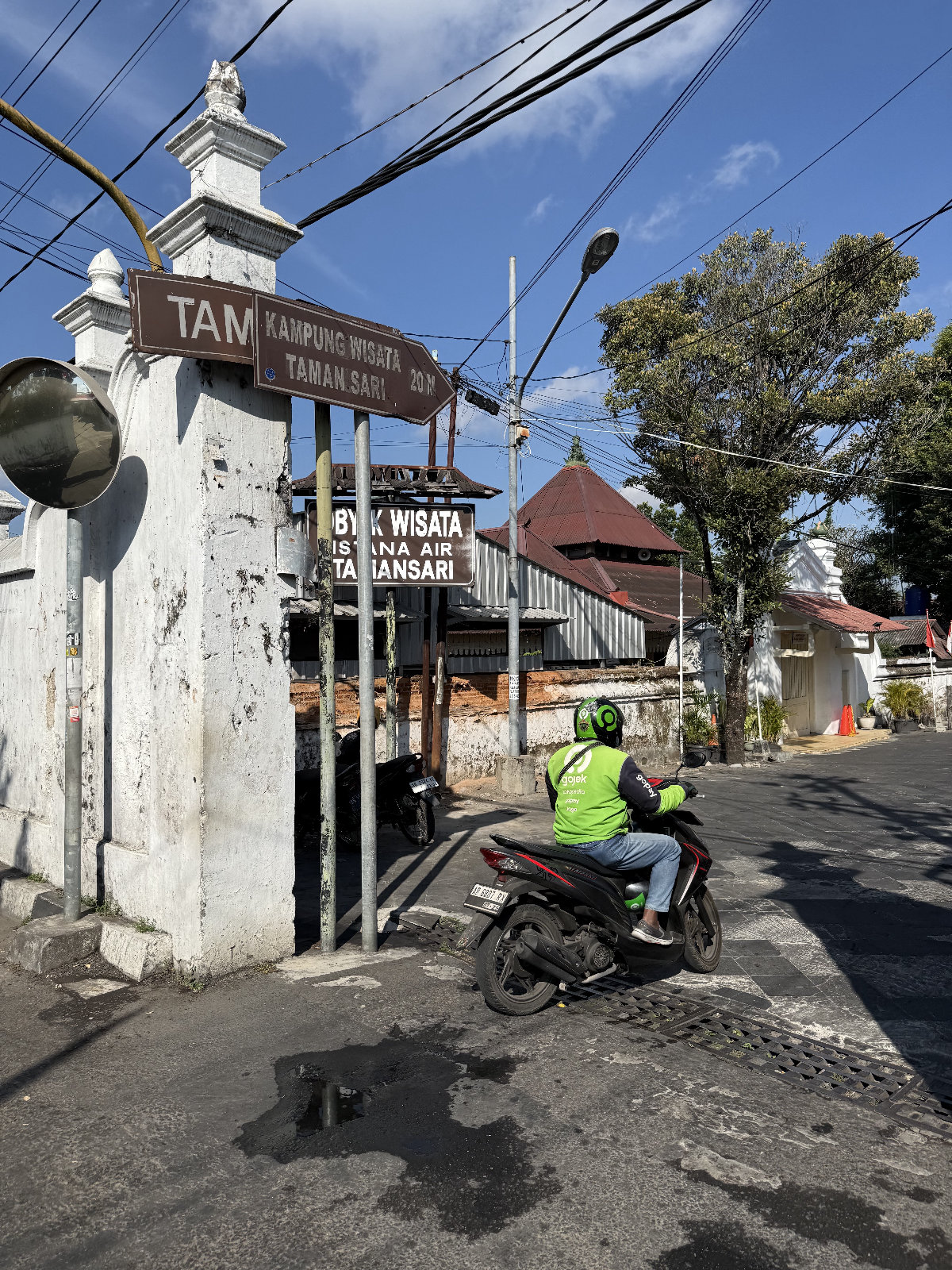
After twisting and turning through the alleys, I finally spotted an elegant brown sign pointing toward Taman Sari. However, the time was only 8:40 AM. There were still about 20 minutes left until the 9:00 AM opening time. Beside the sign, a Gojek driver wearing a green helmet leisurely passed by.
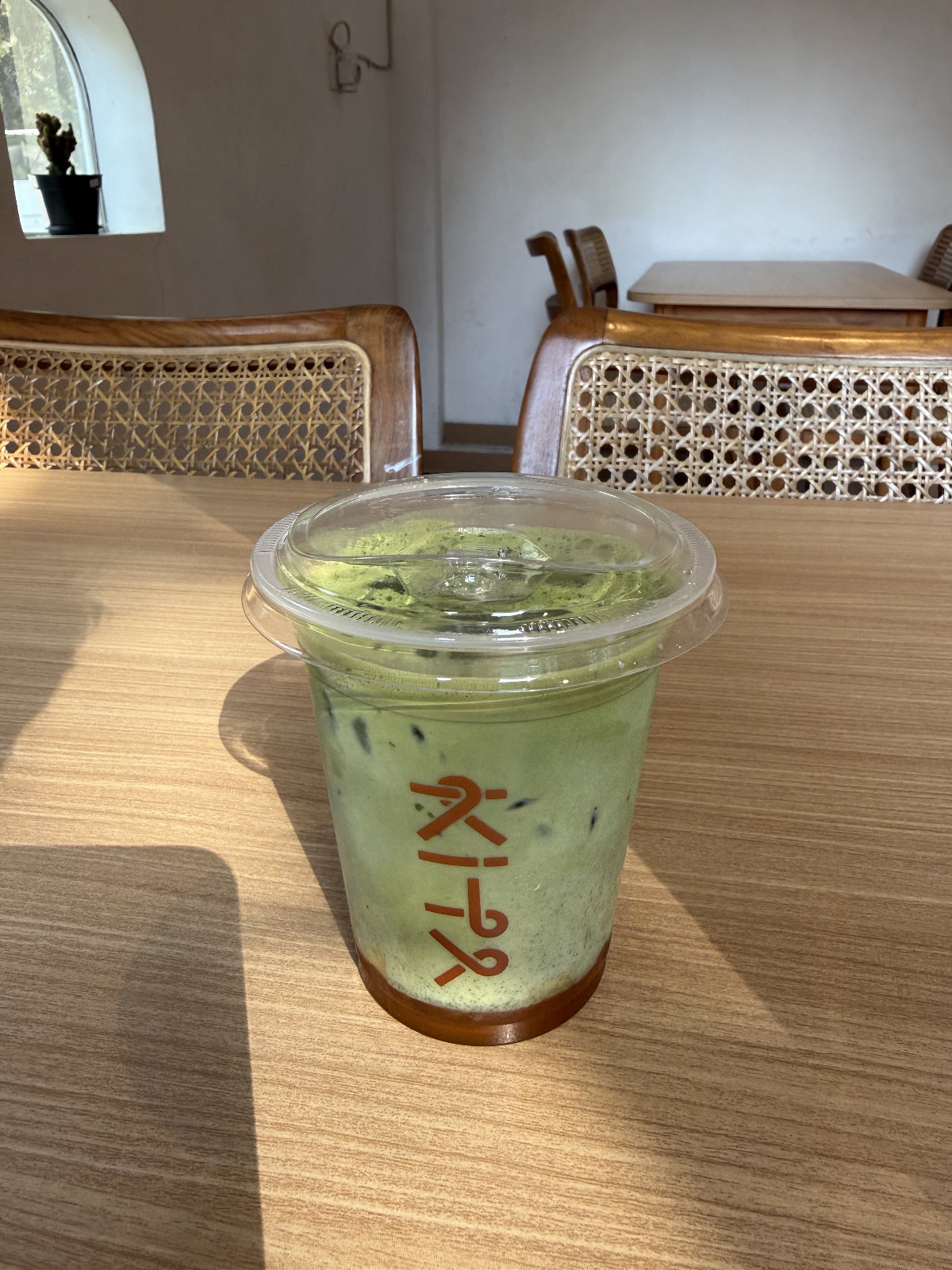
While waiting for the gates to open, I stepped into a cozy little cafe nearby. I decided to order a cold tea to quench my thirst. Having heard that people in Indonesia mostly use the word 'Es' instead of 'Ice' when referring to cold drinks, I confidently put my knowledge to use. "One Es Matcha, please." However, the staff member at the counter, perhaps out of consideration for me or because of my pronunciation, smiled and asked back, "Ice Matcha?" In other places, they had understood 'Es Matcha' perfectly well, so I felt a bit unfairly treated and slightly disappointed, which made me chuckle to myself. As I sipped the bitter yet sweet matcha, the opening time finally arrived.
The 18th-Century Water Castle and the Smile of the Guardian
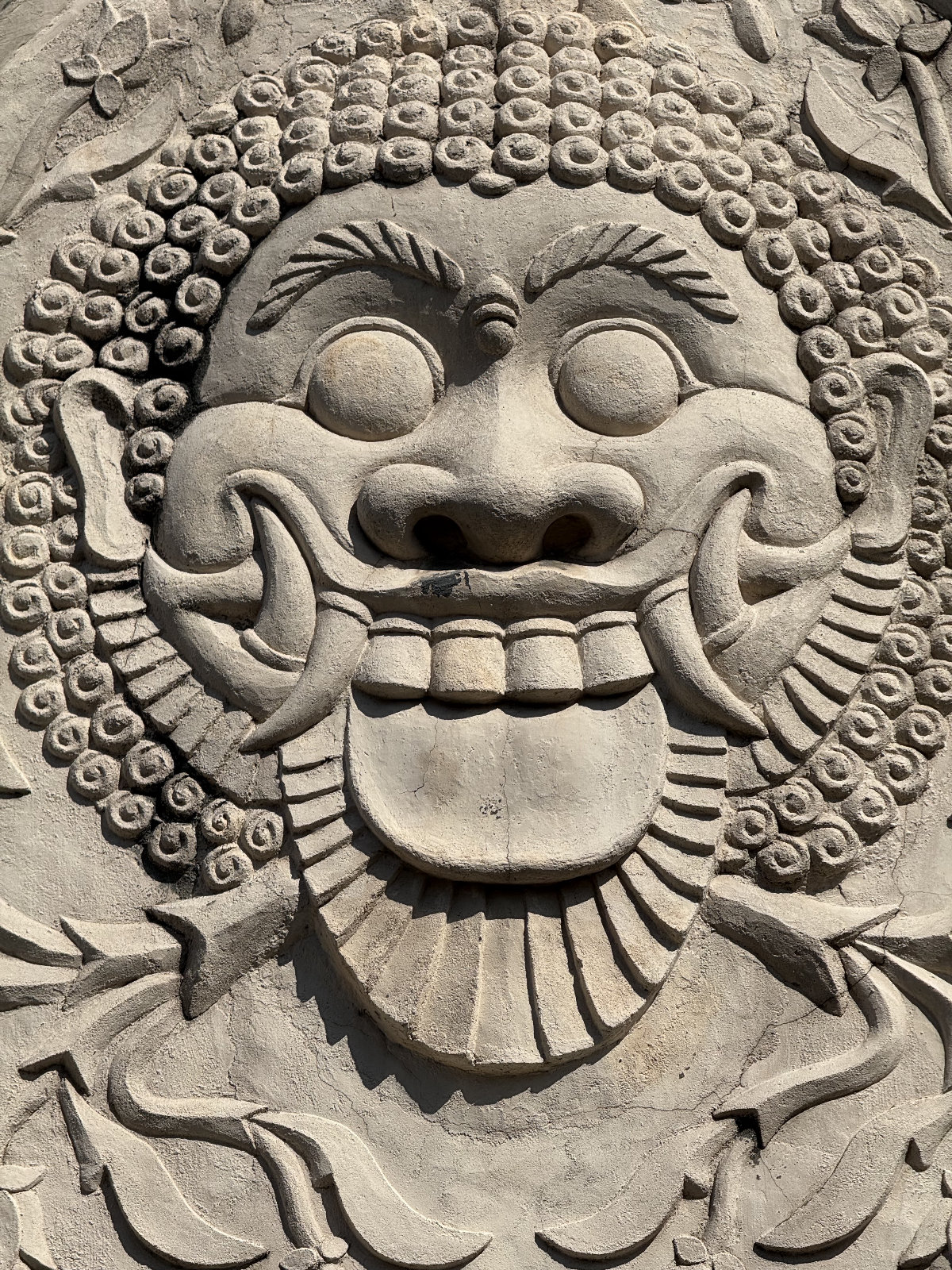
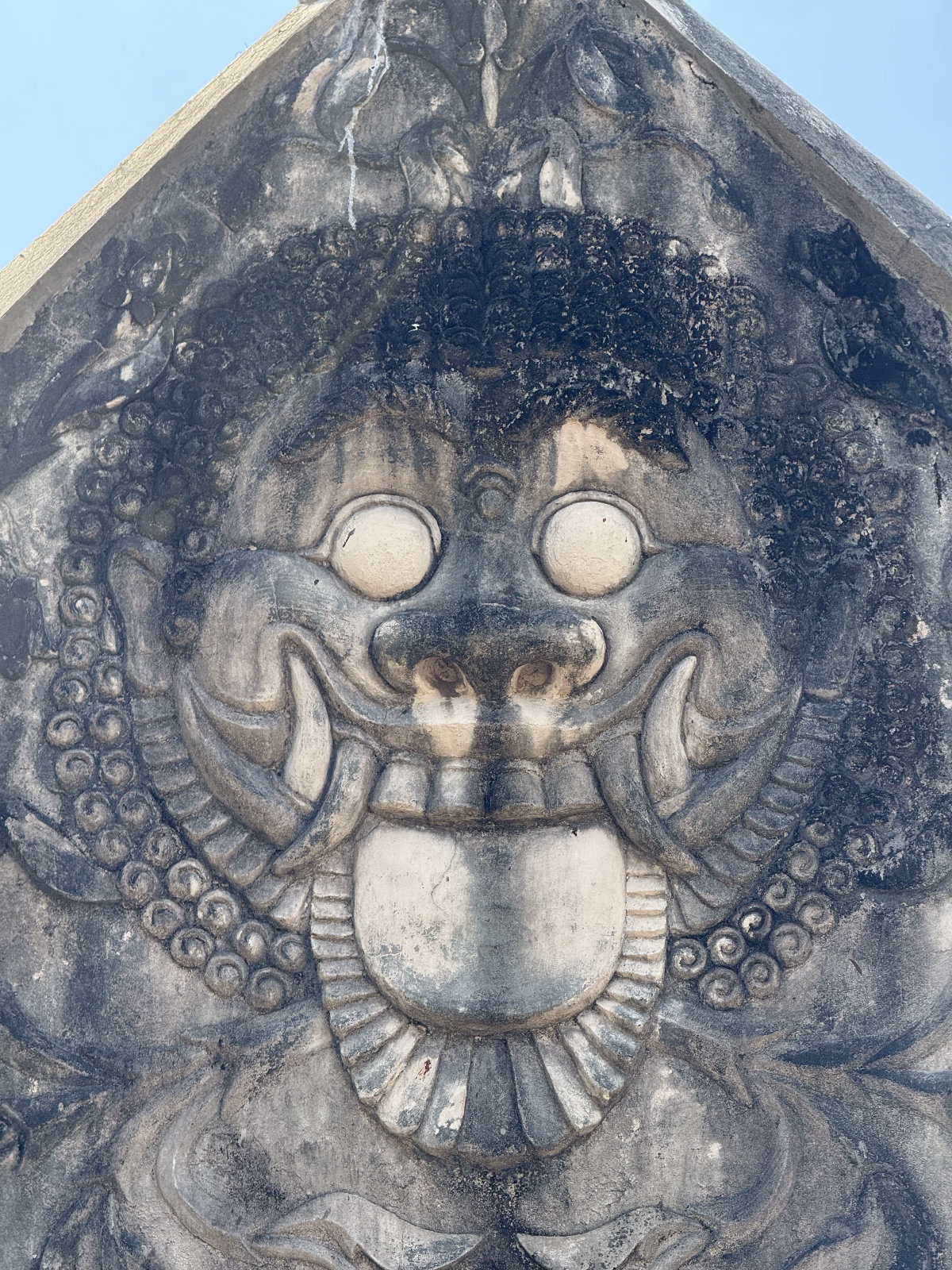
Yogyakarta is the heart of Javanese civilization and the only special region in Indonesia where the sovereign rule of the Sultan's royal family is maintained. Among its landmarks, Taman Sari is a royal garden built in 1758 by Hamengkubuwono I, the first Sultan of the Yogyakarta Mataram Sultanate. Meaning 'Fragrant Garden,' the palace complex once featured artificial lakes, swimming pools, secret underground passages, and even defensive fortifications. The carved stone statues of 'Kala'—a demon-banishing deity decorating the outer walls like guardians—were meant to ward off evil energy, but their playful expressions with tongues sticking out made me laugh.
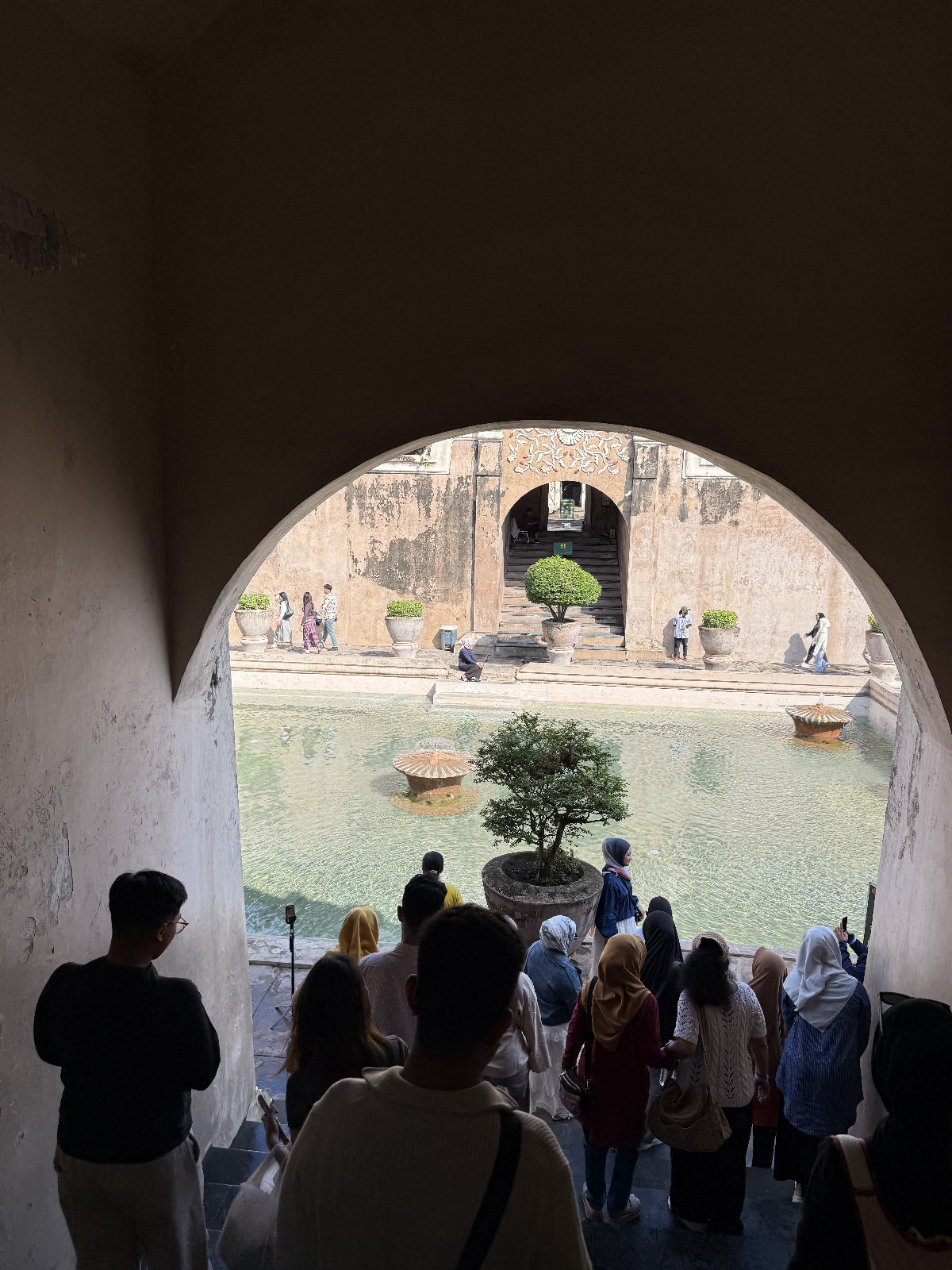
Descending the stairs through an arched stone gateway, a grand pool and bathing area unfolded before my eyes. Local visitors who had arrived early in the morning to see the ruins were strolling and taking photos in a calm, serene atmosphere. Although enclosed on all sides by thick stone walls, the morning sunlight filtering through the archway blended with the clear water to create a mysterious and quiet elegance. Even though I had walked out for a stroll without even washing my face, the fresh morning air made me feel energetic and joyful.
The Carriage Museum, Steeped in Royal History
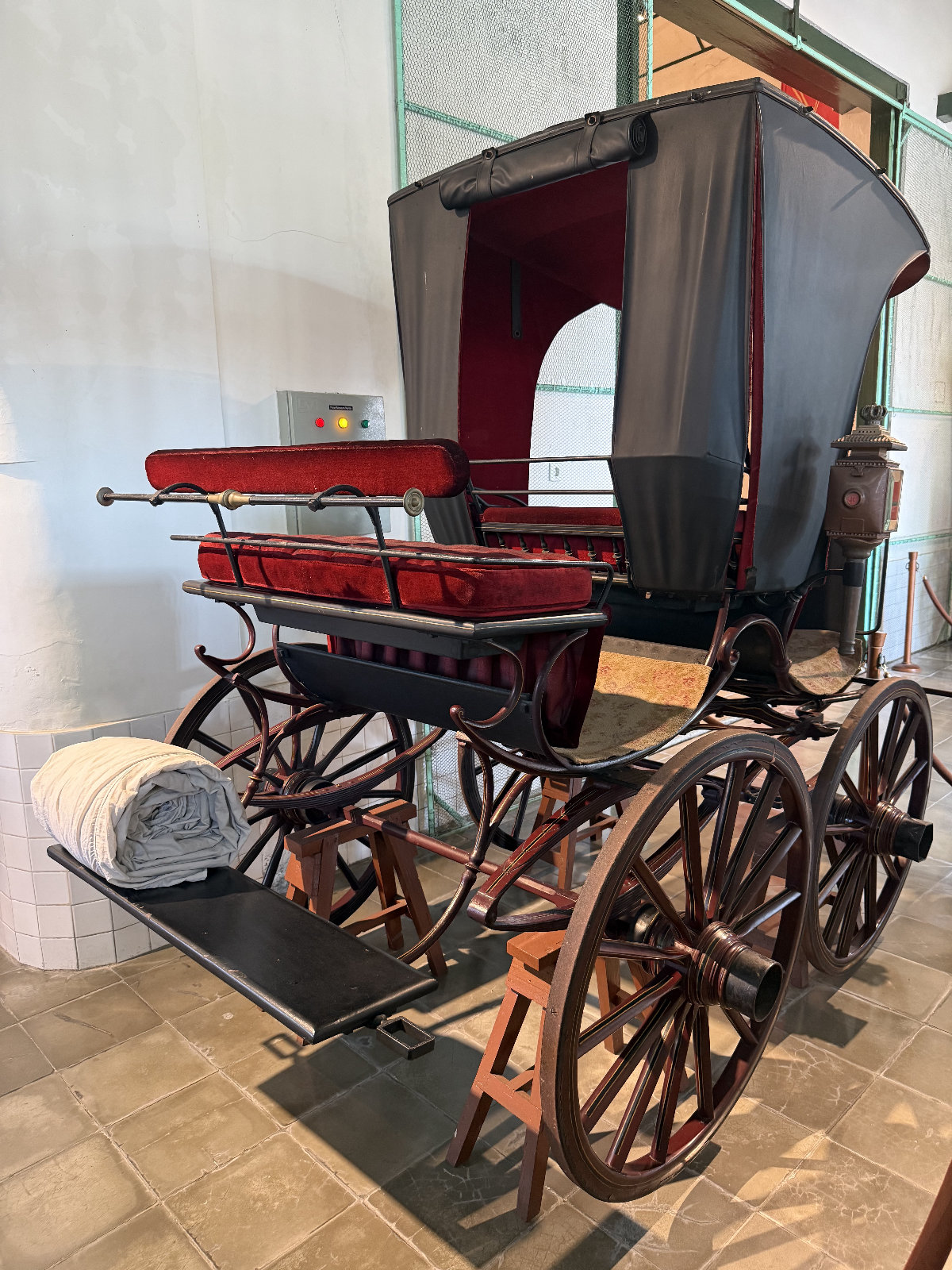
Leaving the Water Castle behind, I made my way to the nearby Carriage Museum (Museum Kereta Karaton). Walking through downtown Yogyakarta, one often sees 'Andong,' the traditional tourist horse carriages. At this museum, I finally understood the historical reason behind them. Inside the exhibition hall, the gorgeous and dignified carriages used by the Sultan's family for state ceremonies and transportation were closely preserved.
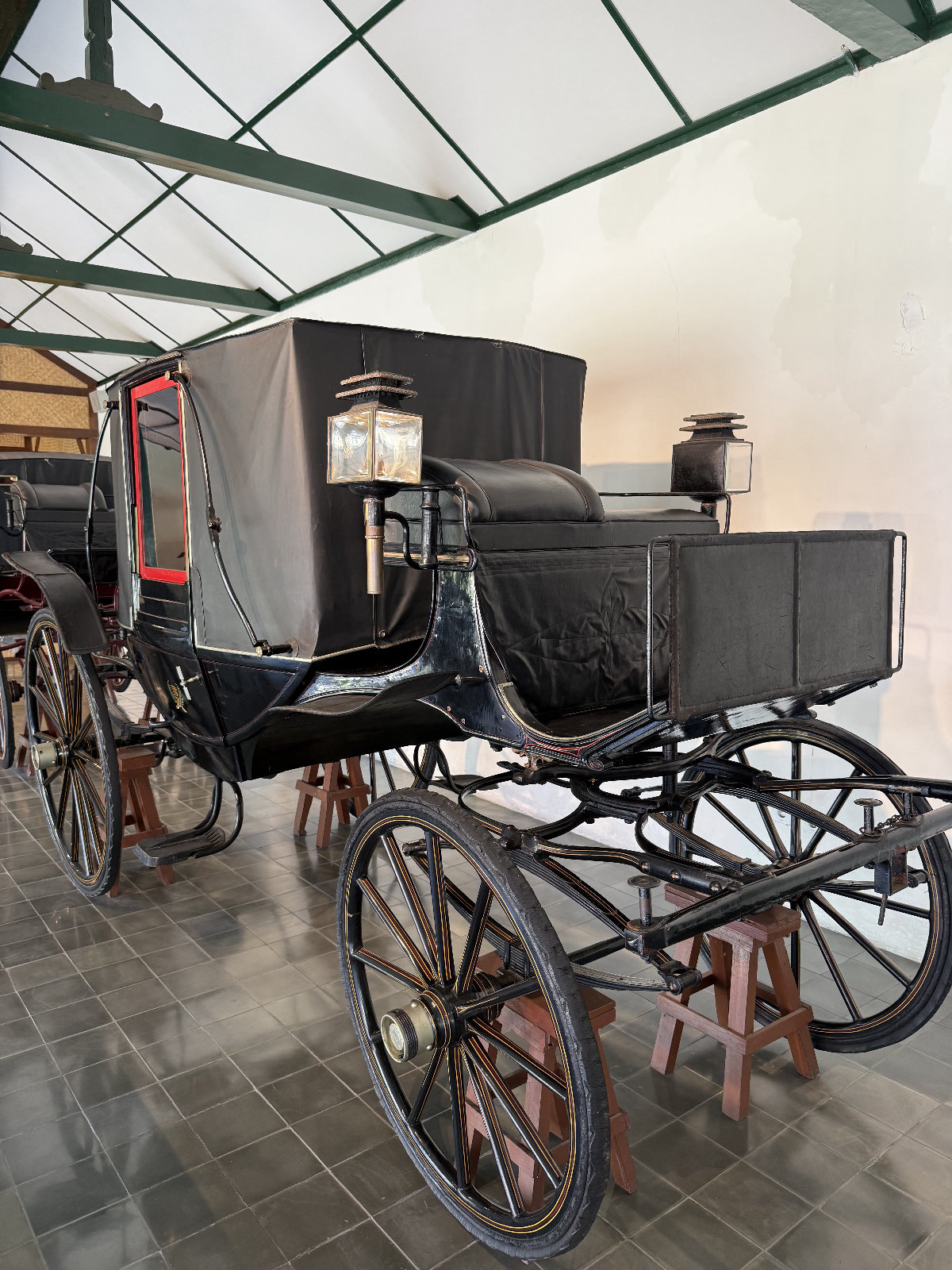
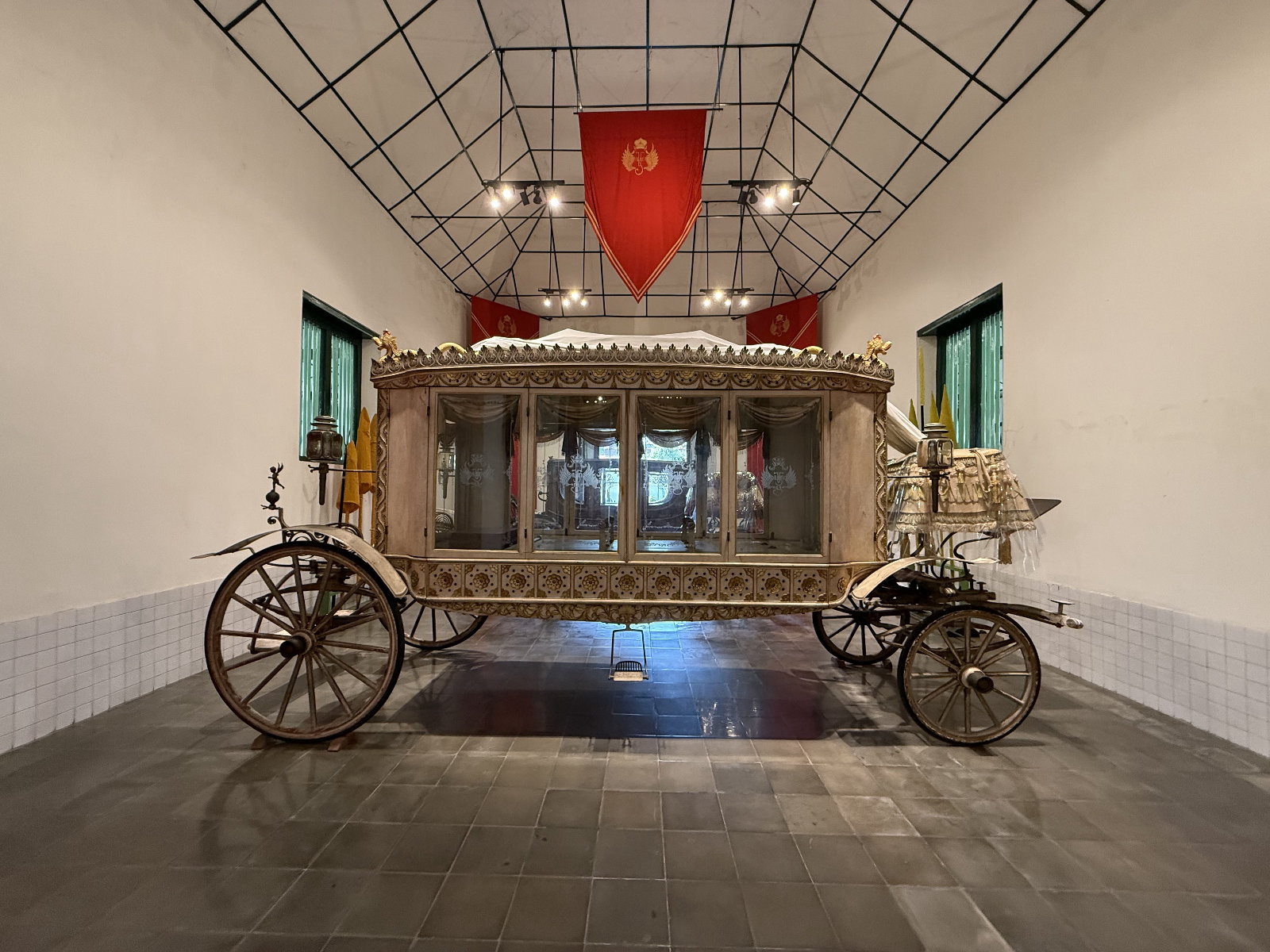
These carriages, gifted by or imported from European royal courts like the Netherlands, represented the pinnacle of contemporary technology and refined aesthetics. Their majesty could easily be compared to a 1900s Mercedes-Benz S-Class, a luxury van, or a sleek convertible. It was fascinating to see how the carriage culture, once a key mode of transportation for the royal family, remains connected to the carriage-filled streets of the city today.
There is no need to feel regret; the places you couldn't visit can simply be left for next time.
Heading to Bali Without Regrets
The next morning, I contacted the taxi driver I had met a few days ago on my trip to Borobudur Temple and headed to the airport. According to my original plan, I was going to travel to Bali overland and by ferry across Java. However, my desire to experience Bali's scenery as soon as possible and spend more time there grew so strong that I made the bold decision to change my itinerary.

There is no need to feel rushed just because you couldn't step on every single spot on the map. The roads untraveled and the places unvisited simply leave a reason to return in the future. Watching the green roadside trees of Yogyakarta recede outside the car window, I headed to the next island with a light and carefree heart.