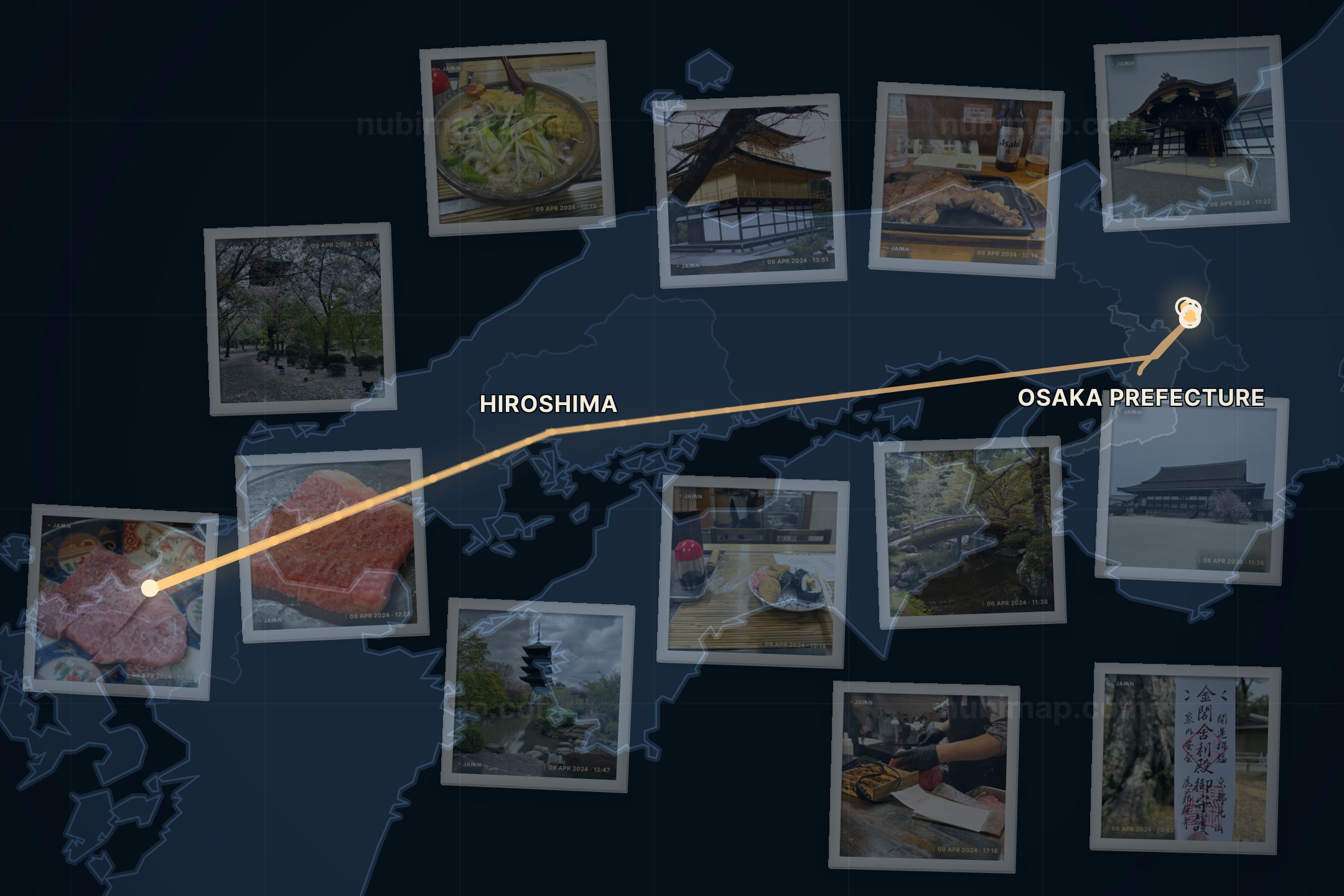
Kyoto: Walking Through a Thousand Years of Time
The entire city of Kyoto felt like a massive museum. Everywhere I went, layers of history seemed to speak to me. When you need solo contemplation, or a path where simply walking in silence brings comfort, Kyoto is the ultimate destination. Here is a record of a few days spent letting go of complex thoughts and surrendering to the slow pace of this thousand-year-old capital.
The Overwhelming Presence of a Massive Wooden Temple
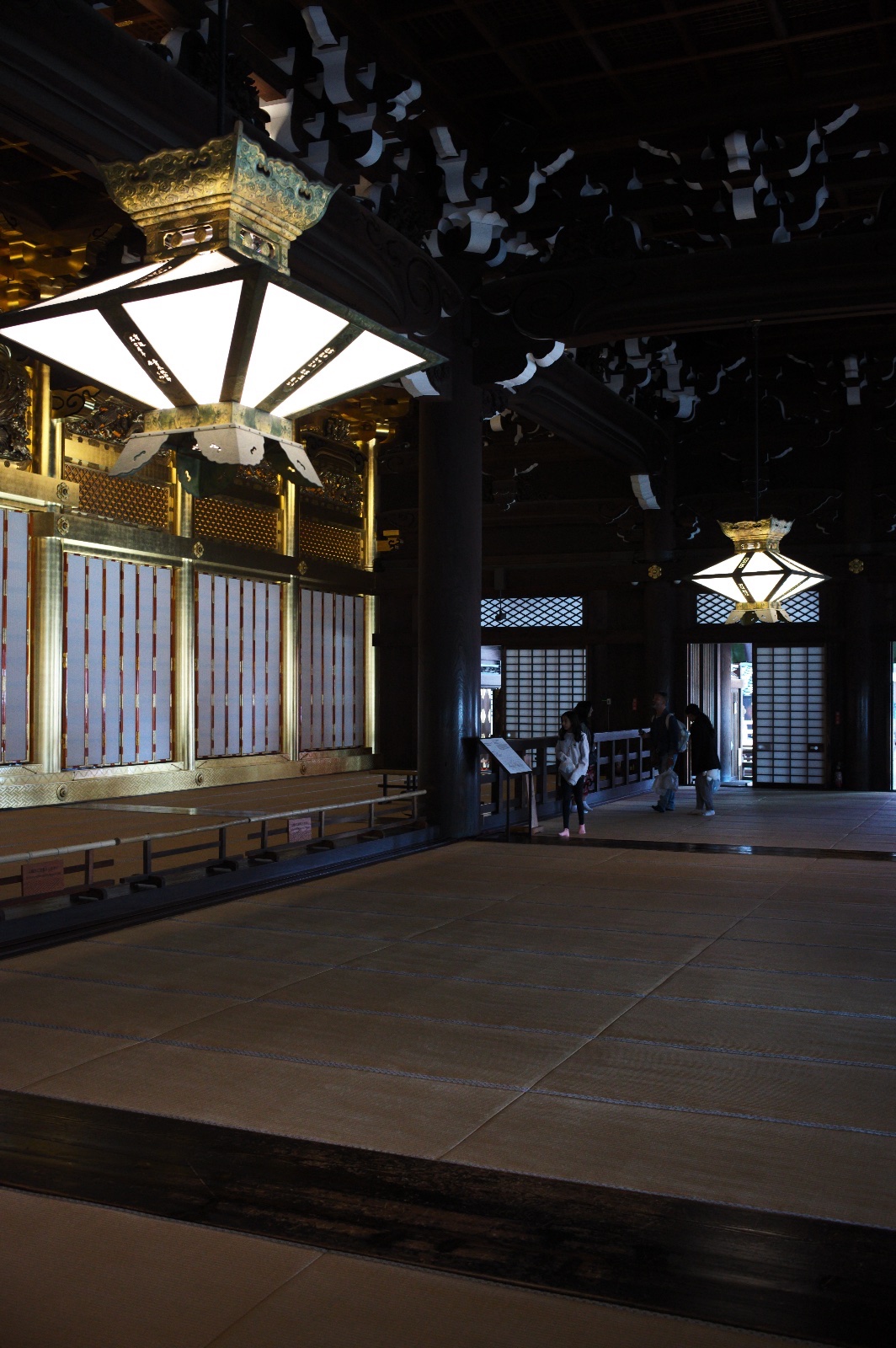
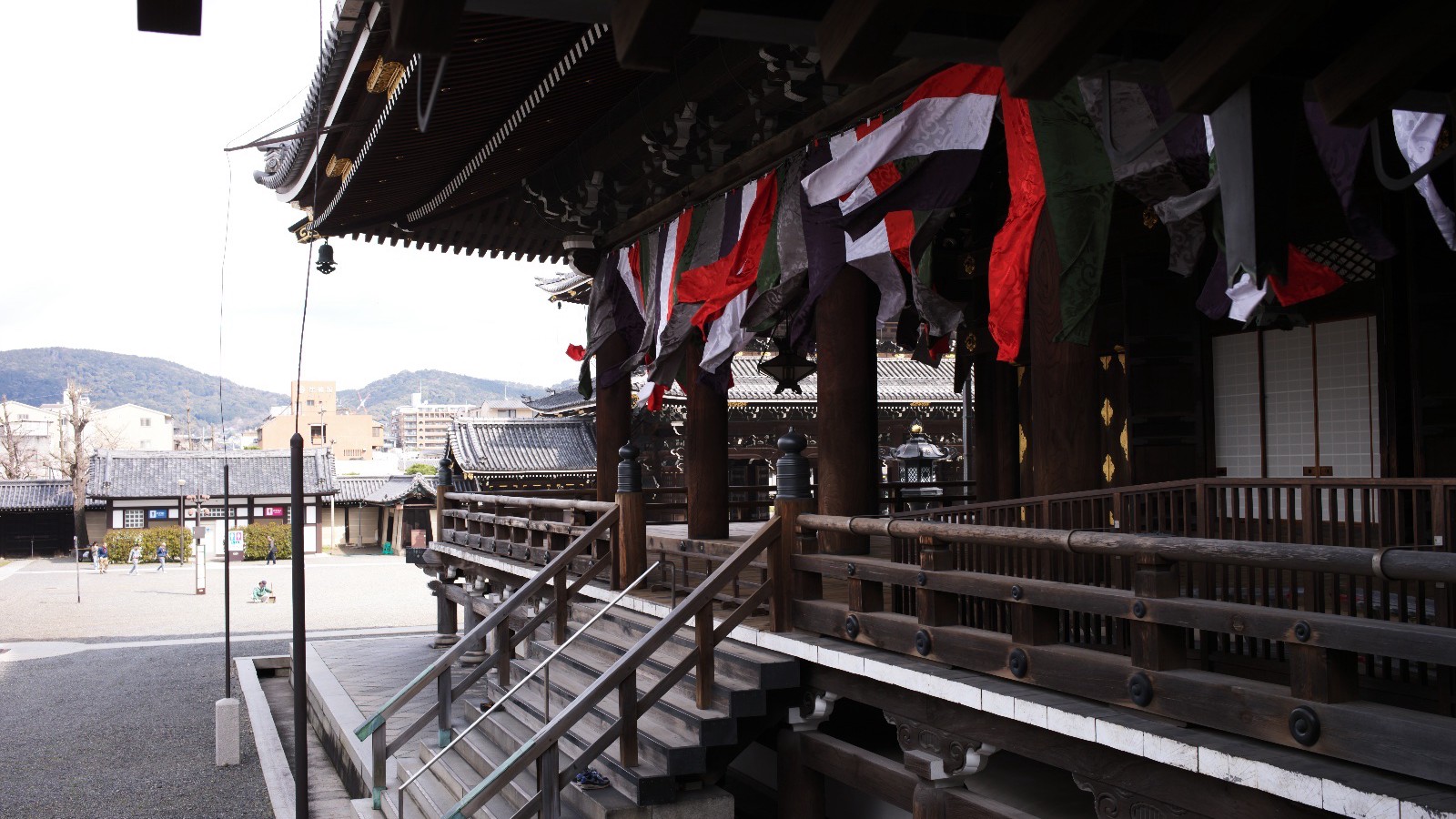
Not far from Kyoto Station, as you walk down the street, a massive wooden building with a towering roof commands your attention with an impossible-to-ignore presence. It was Higashi Hongan-ji. Drawn by its grand exterior, I stepped inside and was surprised to find admission was free. Removing my shoes and stepping onto the cool wooden corridor, the creaking beneath my feet conveyed the weight of over 400 years of history.
I loved the sensation of the solid wooden floor beneath my bare feet. The quiet interior was steeped in a subtle scent of incense, and the vast tatami space was a sanctuary for meditation in itself. This is the head temple of the Jodo Shinshu sect, said to have been built through the shared devotion of countless believers. Beyond the ornate decorations, I could feel the true beauty of a space infused with the faith of ordinary people.
An Unreal Landscape in the Imperial Garden
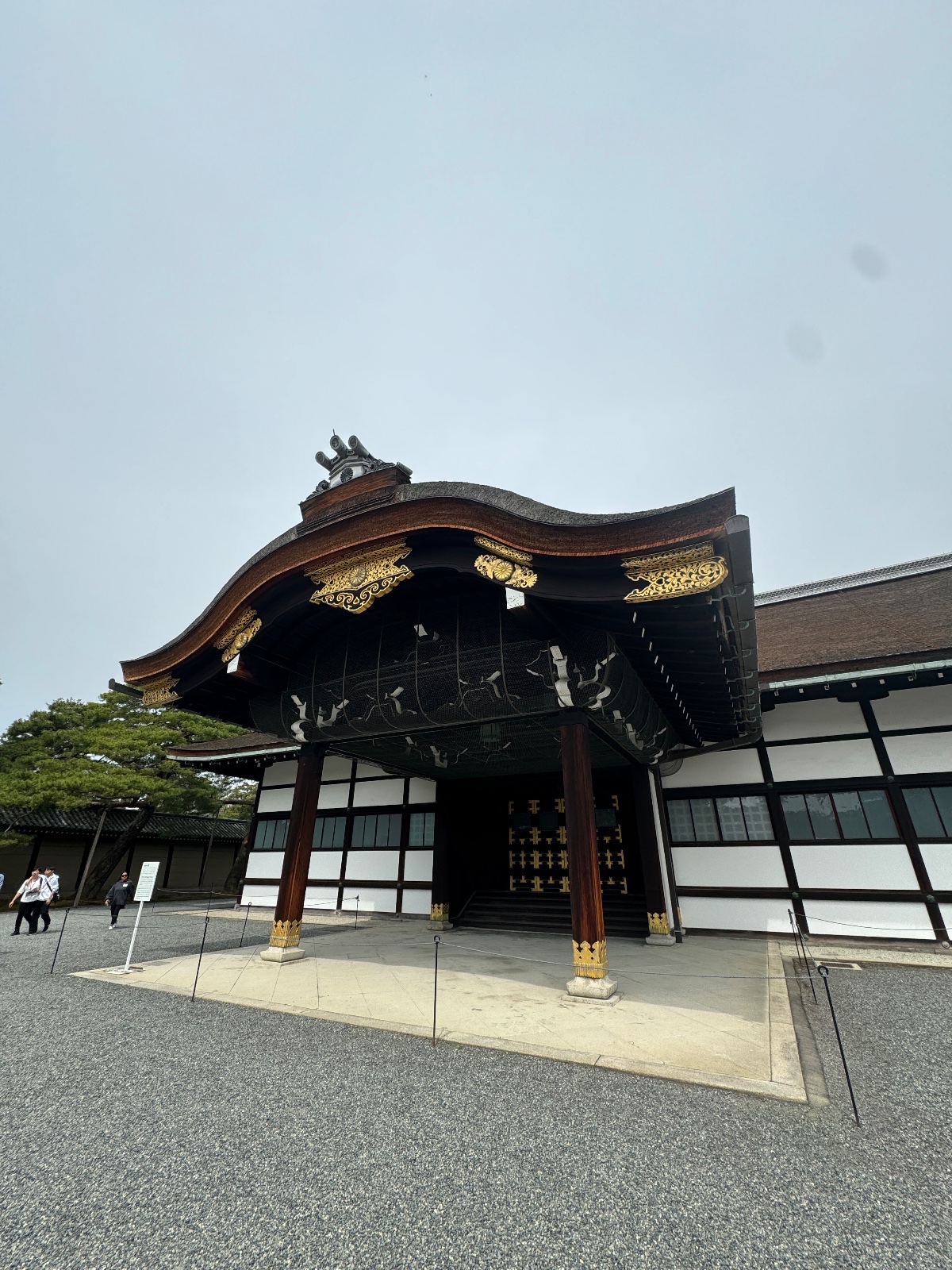
Kyoto Gosho, the former Imperial Palace where the Emperor once resided, welcomed me with its elegant and dignified appearance. As the center of Japanese history until the capital was moved to Tokyo during the Meiji Restoration, it displayed a restrained aesthetic rather than flashy opulence. The majestic presence of the Shishinden, visible across a vast gravel courtyard, hinted at the weight of power that once walked these grounds.
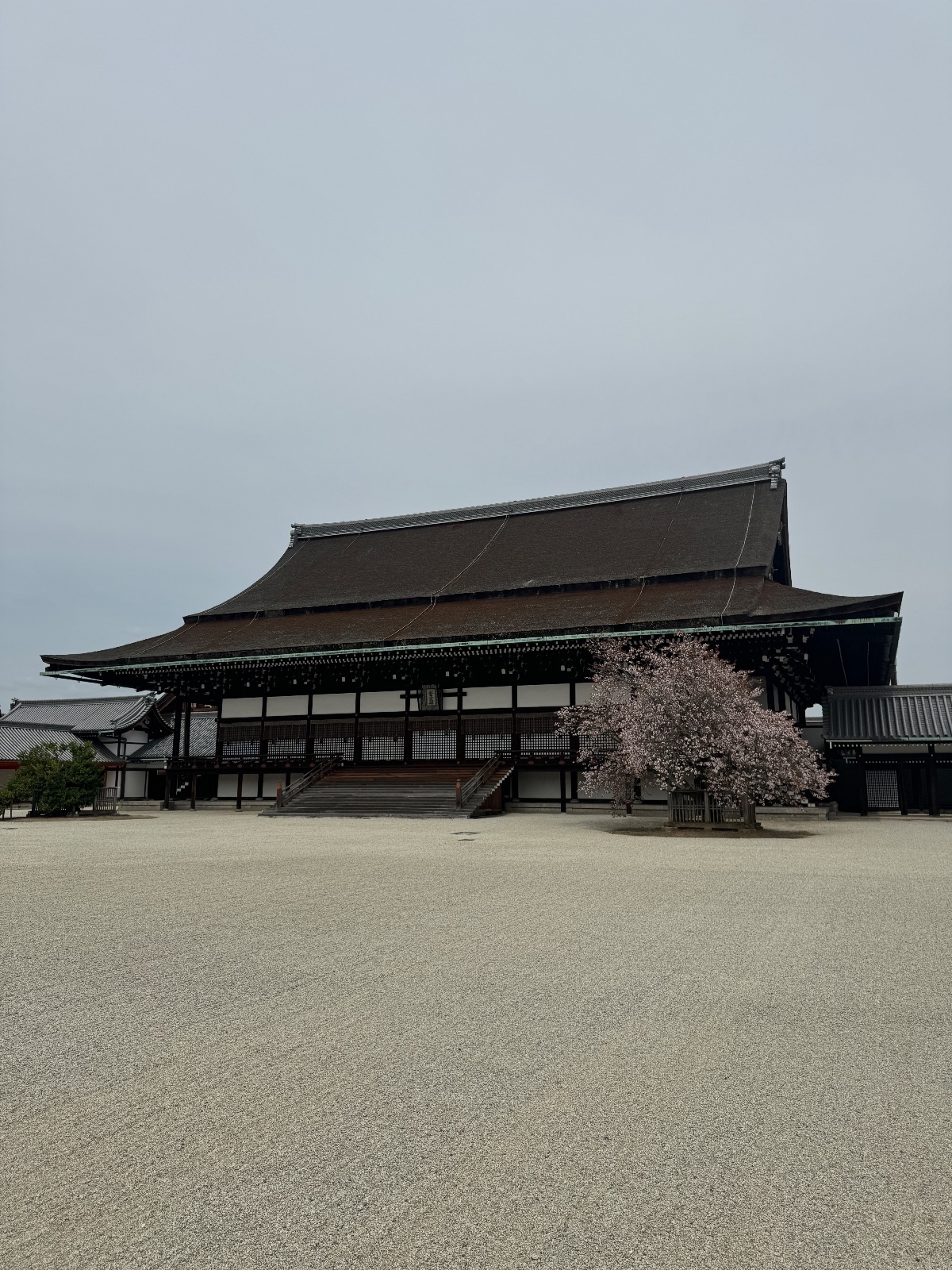
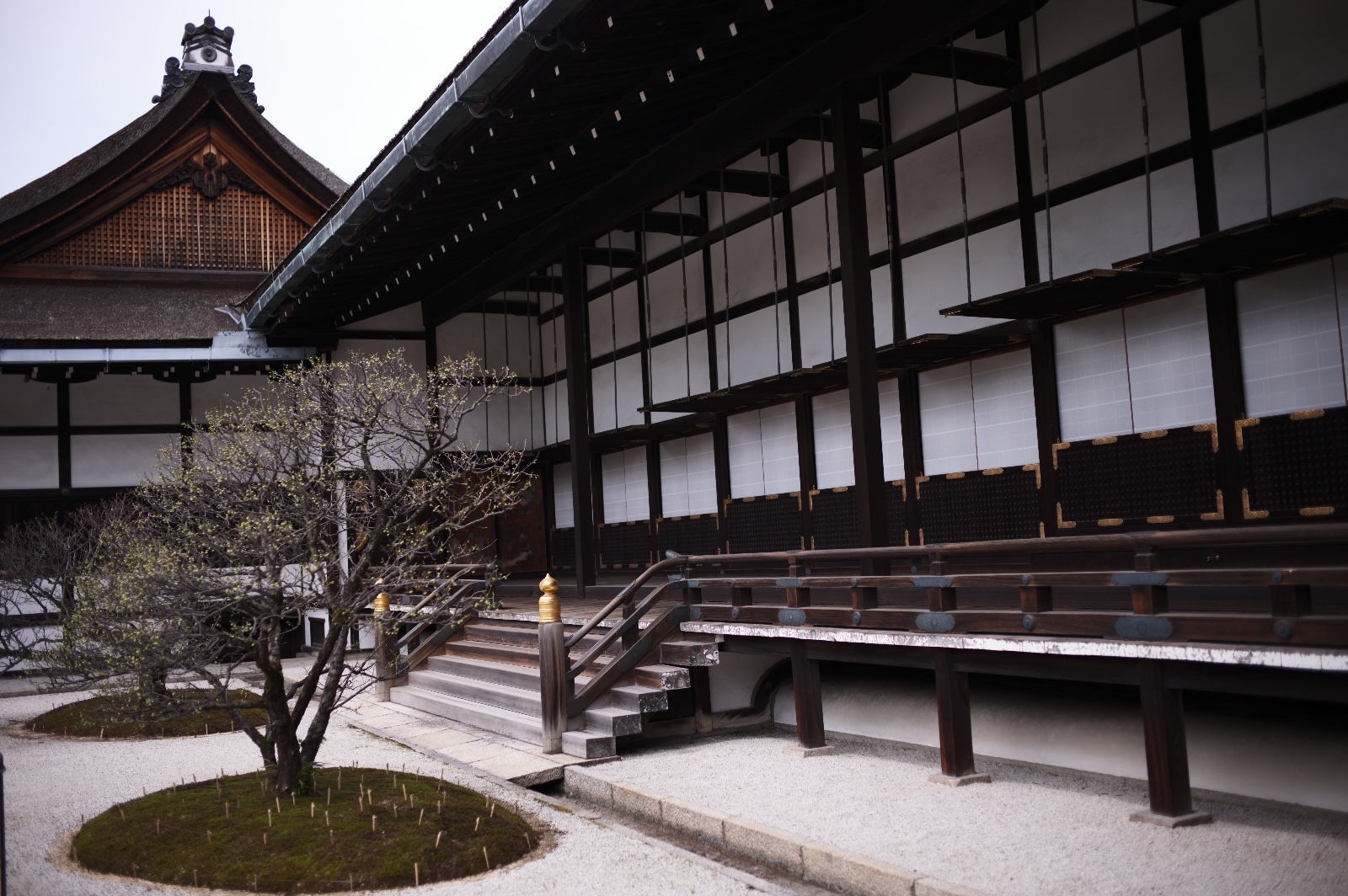
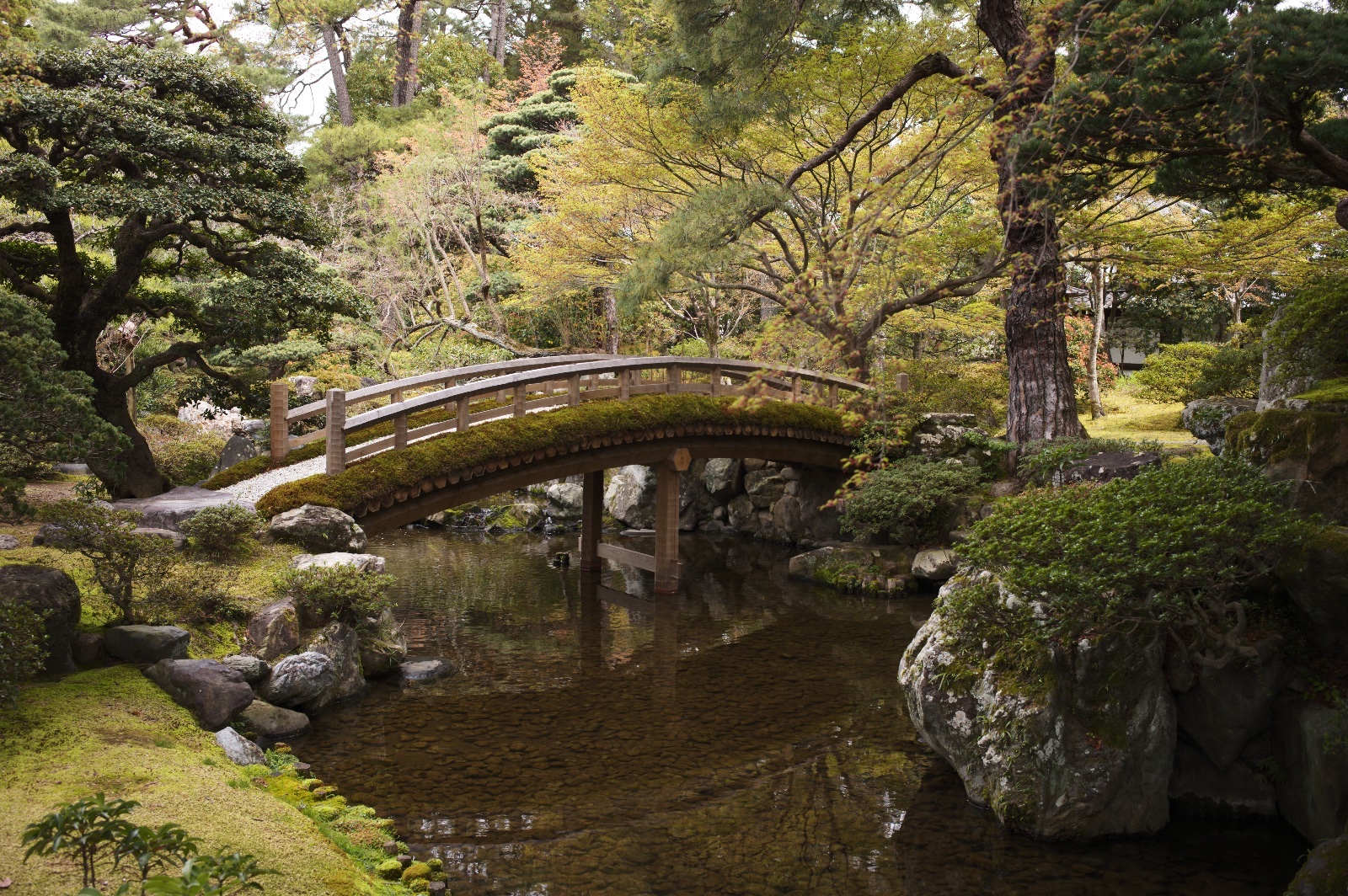
But the true moment of awe came when I faced the garden in the back. The landscape before me was so perfect, it was hard to tell if it was real or a finely crafted digital rendering. With trees hundreds of years old, moss-covered rocks, and an arched bridge spanning a tranquil pond, it was truly a living painting. I stood there for a long time, completely spellbound by the surreal beauty where every element was in perfect harmony.
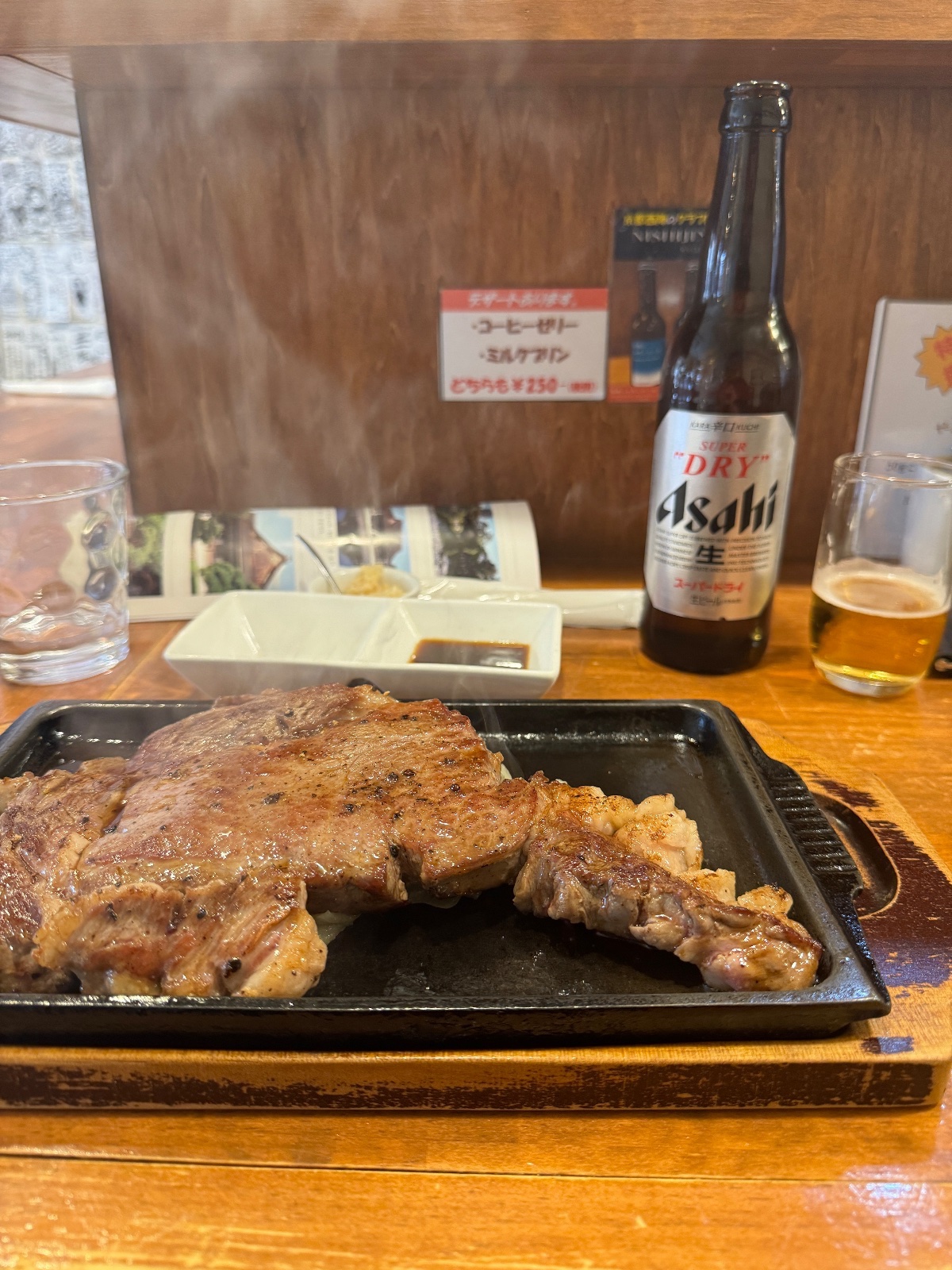
After walking for quite a while after leaving the palace, hunger set in. I stepped into a tiny neighborhood restaurant that looked like it was run by a local woman, and ordered a steak and a bottle of beer. The thick steak served with a sizzling sound, followed by a refreshing sip of crisp beer. This moment, coming at the end of a long walk, was the absolute highlight of the trip.
Kinkaku-ji, the Pavilion Burning with Golden Light
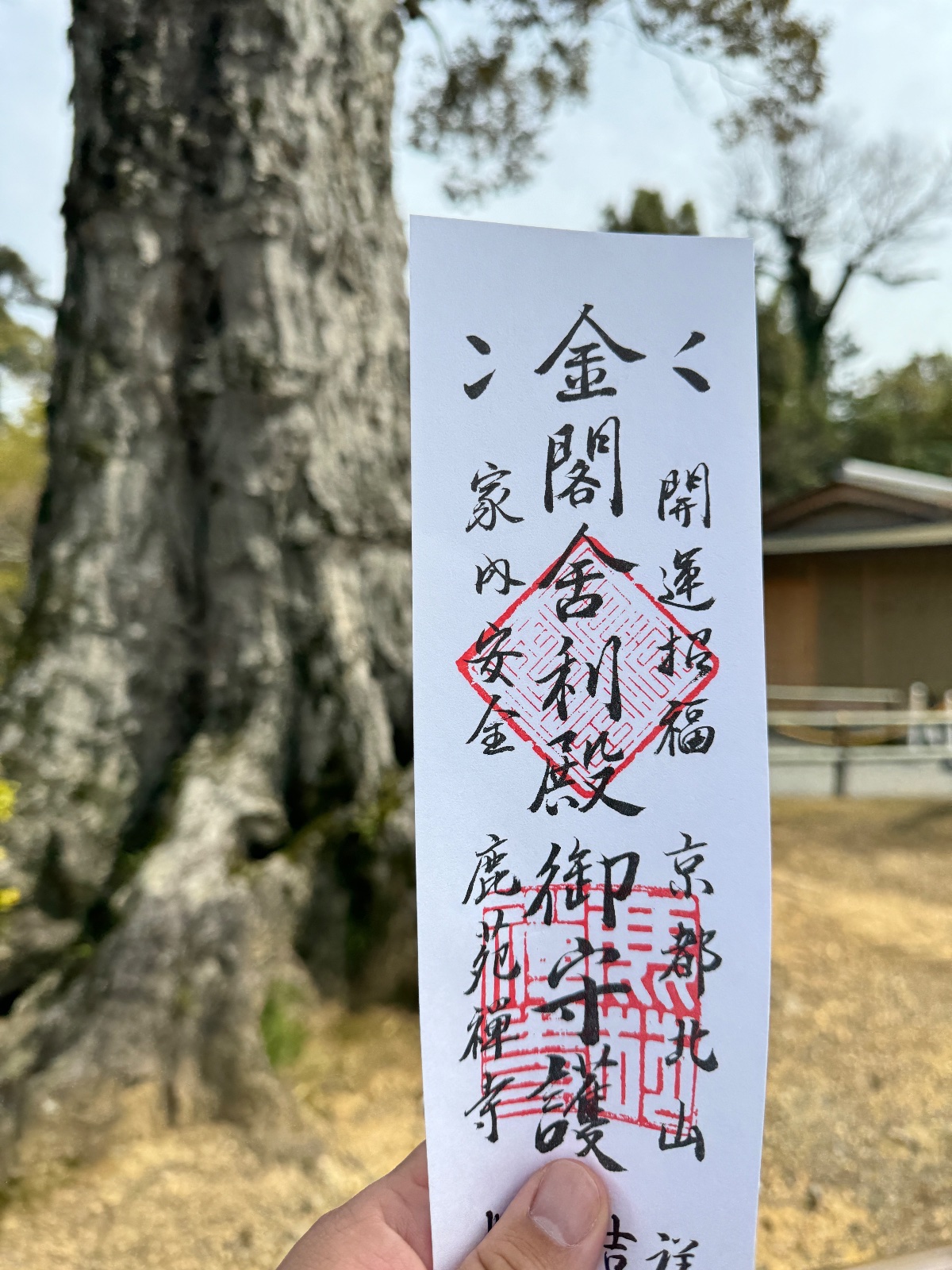
Hearing of a golden temple, I headed to Kinkaku-ji. The admission ticket I received at the entrance looked uniquely like a protective amulet. I intended to keep it as a keepsake, but I can no longer find where it went. Walking a short distance along the forest path, the golden building appeared across the pond like magic. Quite literally, it was glowing.
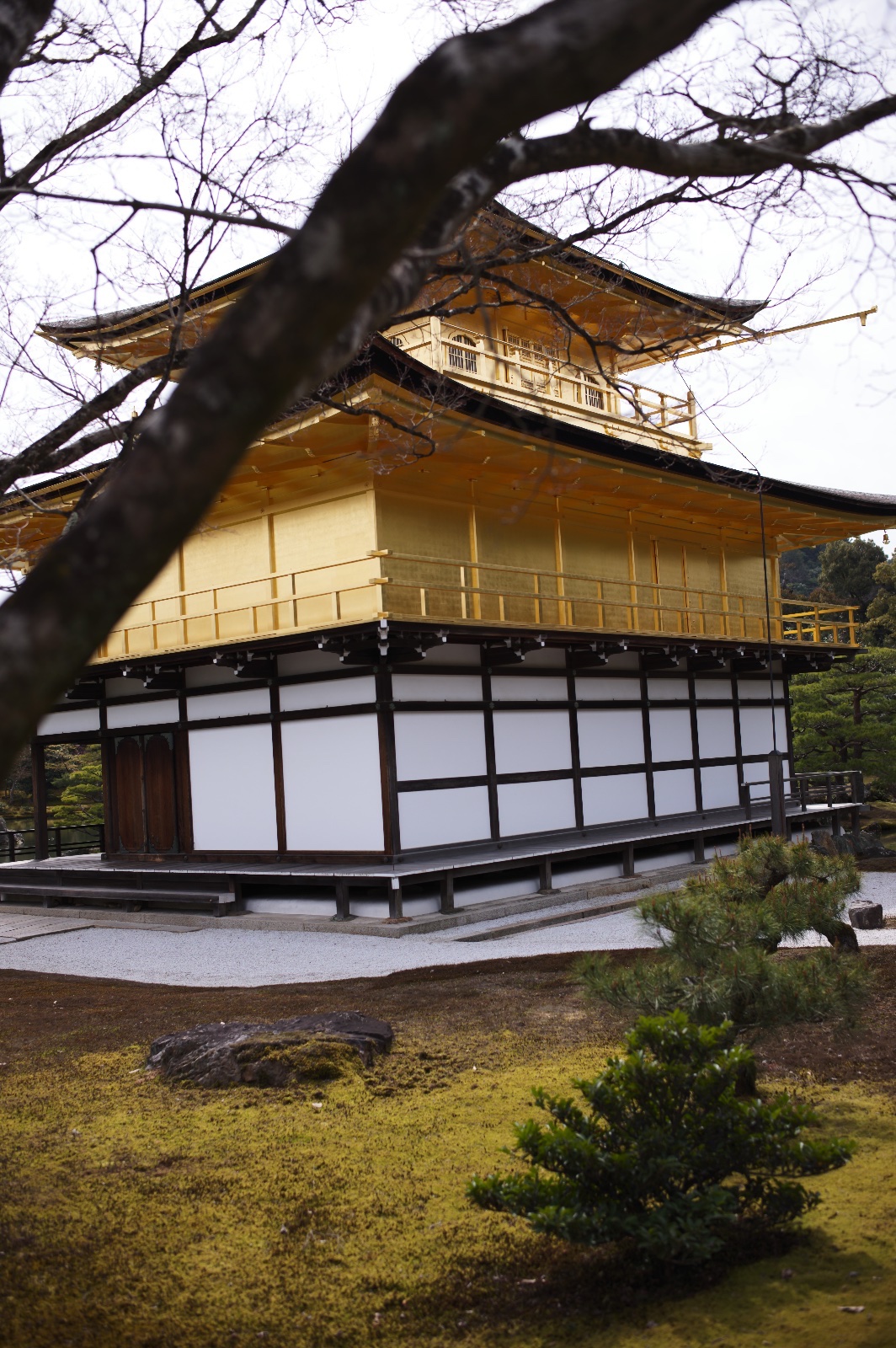
Built as a villa by the shogun Ashikaga Yoshimitsu, this Golden Pavilion has retained its current form through multiple destructions and reconstructions. Even though it was not a clear day, the pavilion, covered in pure gold leaf, illuminated its surroundings as if emitting its own light. Standing before the ultimate beauty born from a shogun's desire to flaunt worldly wealth and power, I was left in pure admiration.
Alleyway Flavors and a Cherry Blossom Afternoon
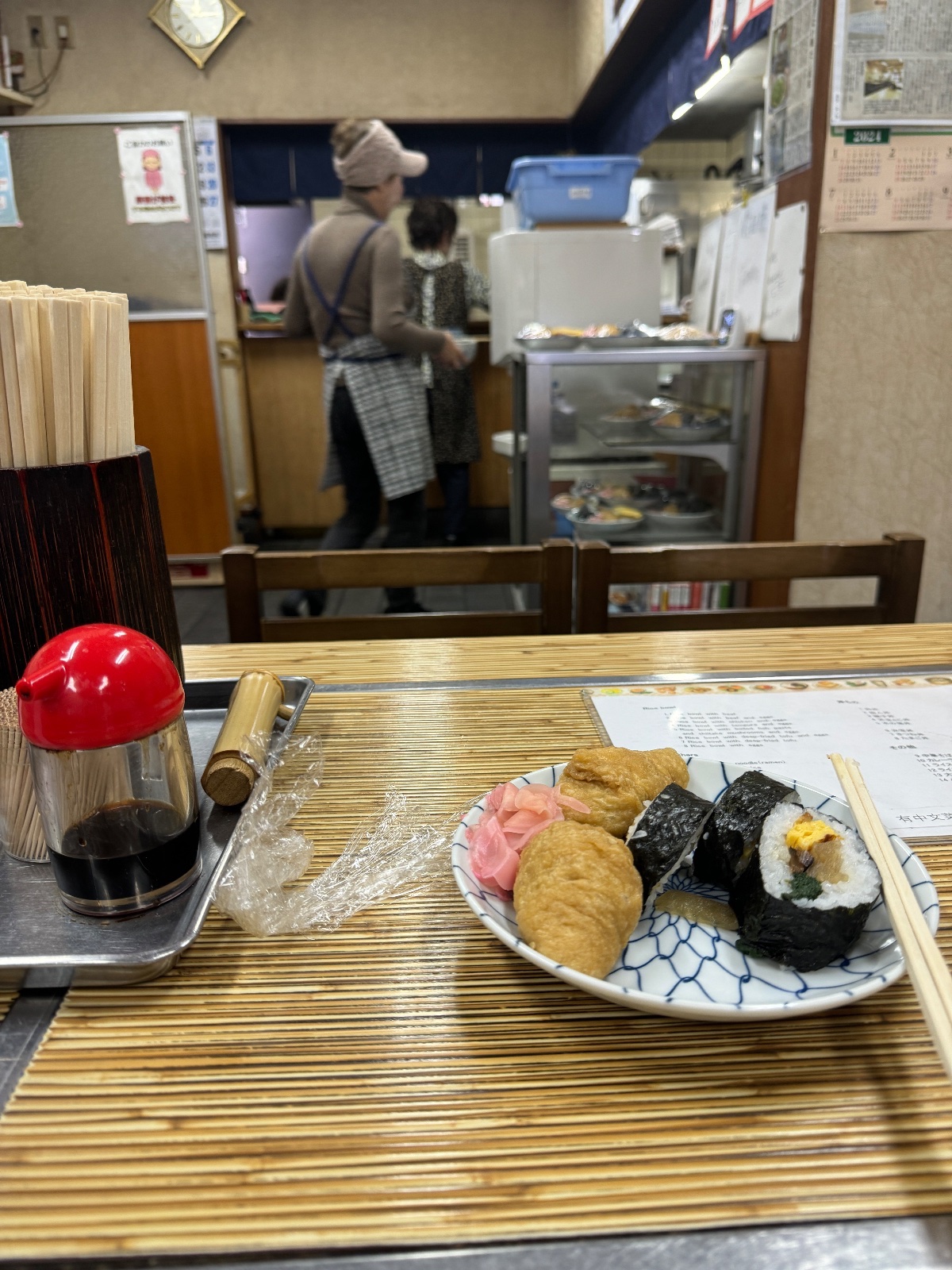
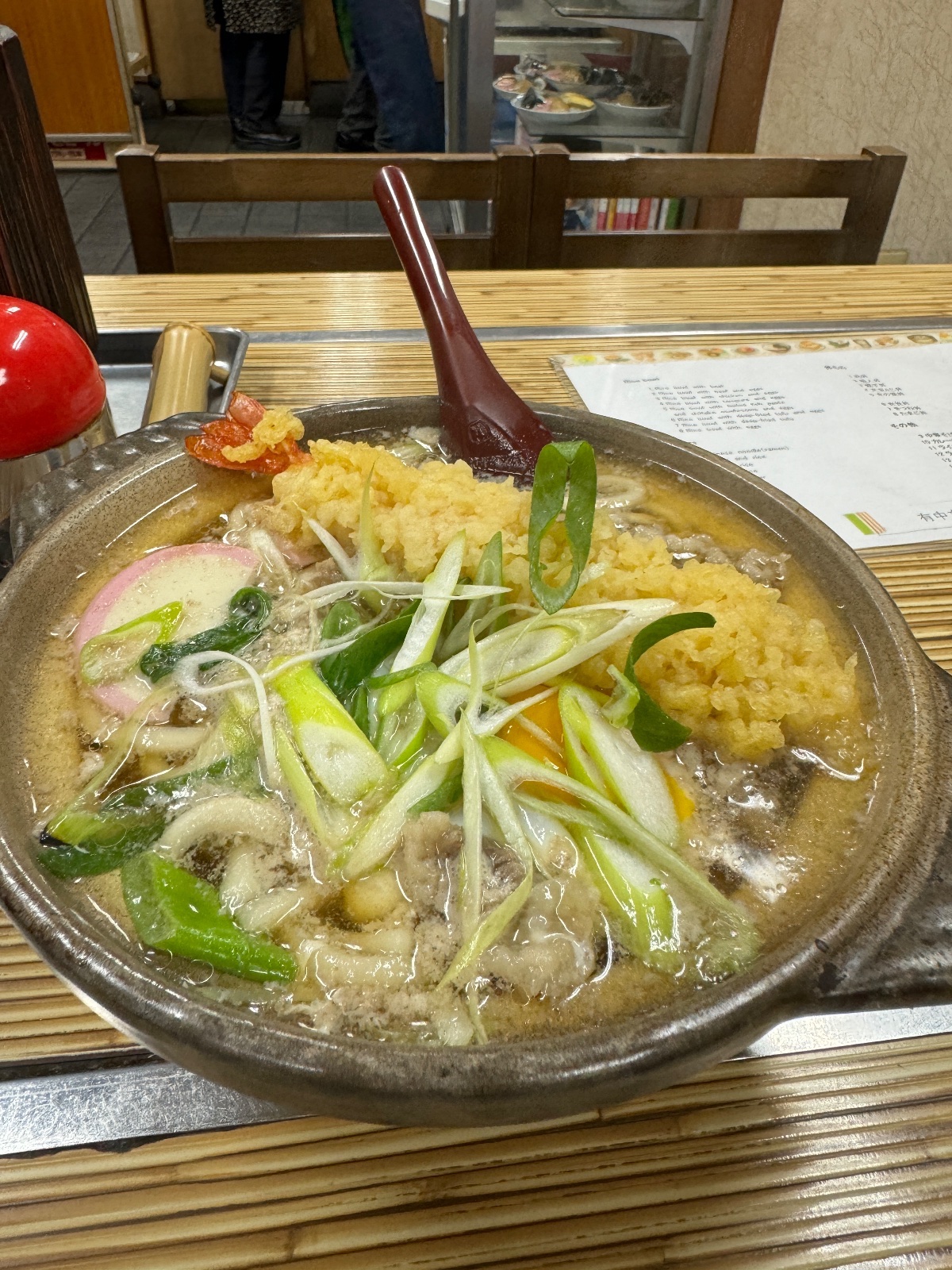
The next day, I wandered through Kyoto's alleys without a set destination. I opened the door to a small, humble-looking restaurant that felt warm and welcoming. It was a tiny udon shop where locals would grab a quick meal. Before the udon arrived, I first tried the inari sushi and gimbap. A moment later, a steaming bowl of udon was served. While it was a simple dish, the deep flavor of the broth was on a completely different level from what I had back home. I could taste the true mastery hidden in its simplicity.
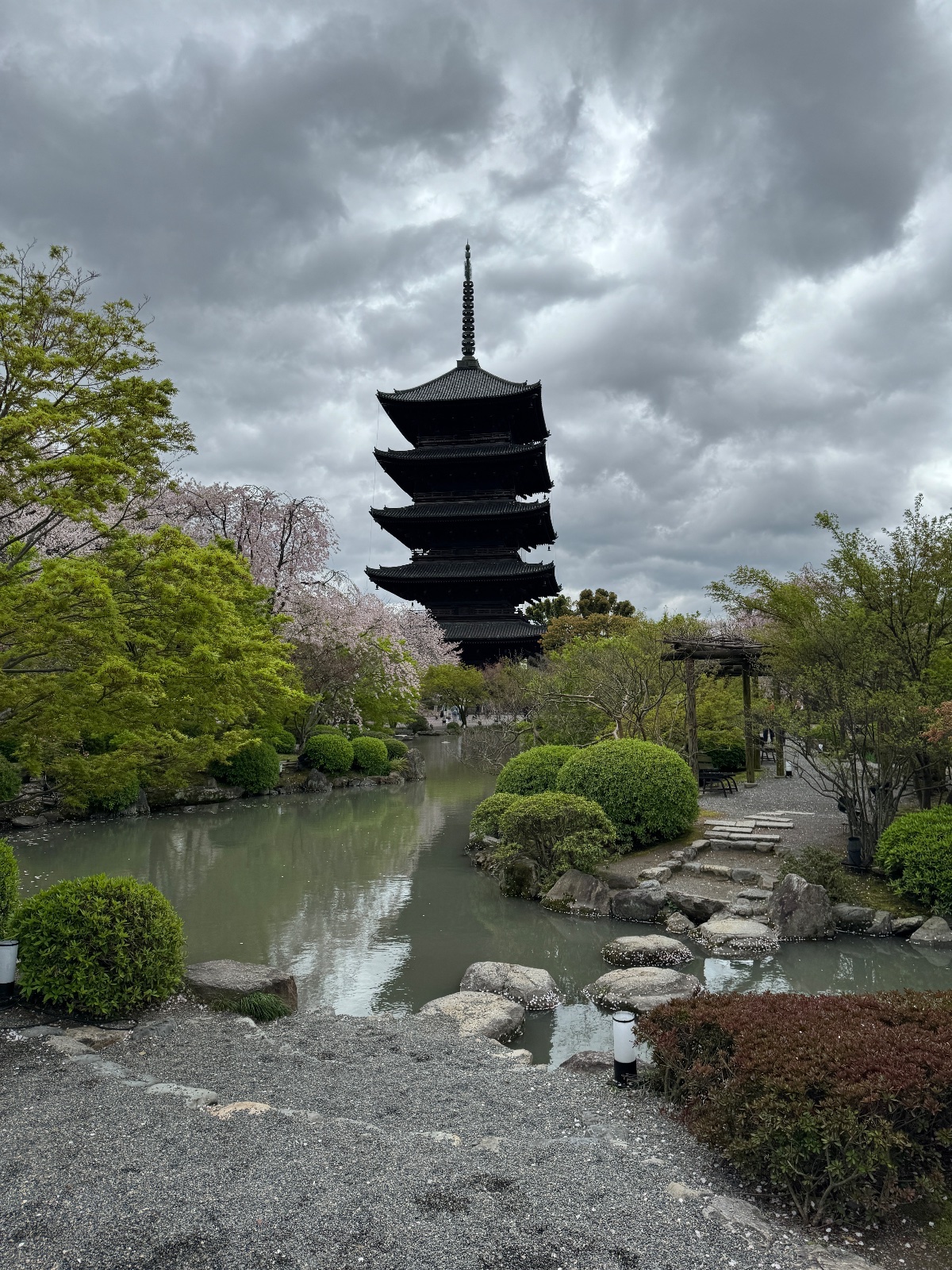
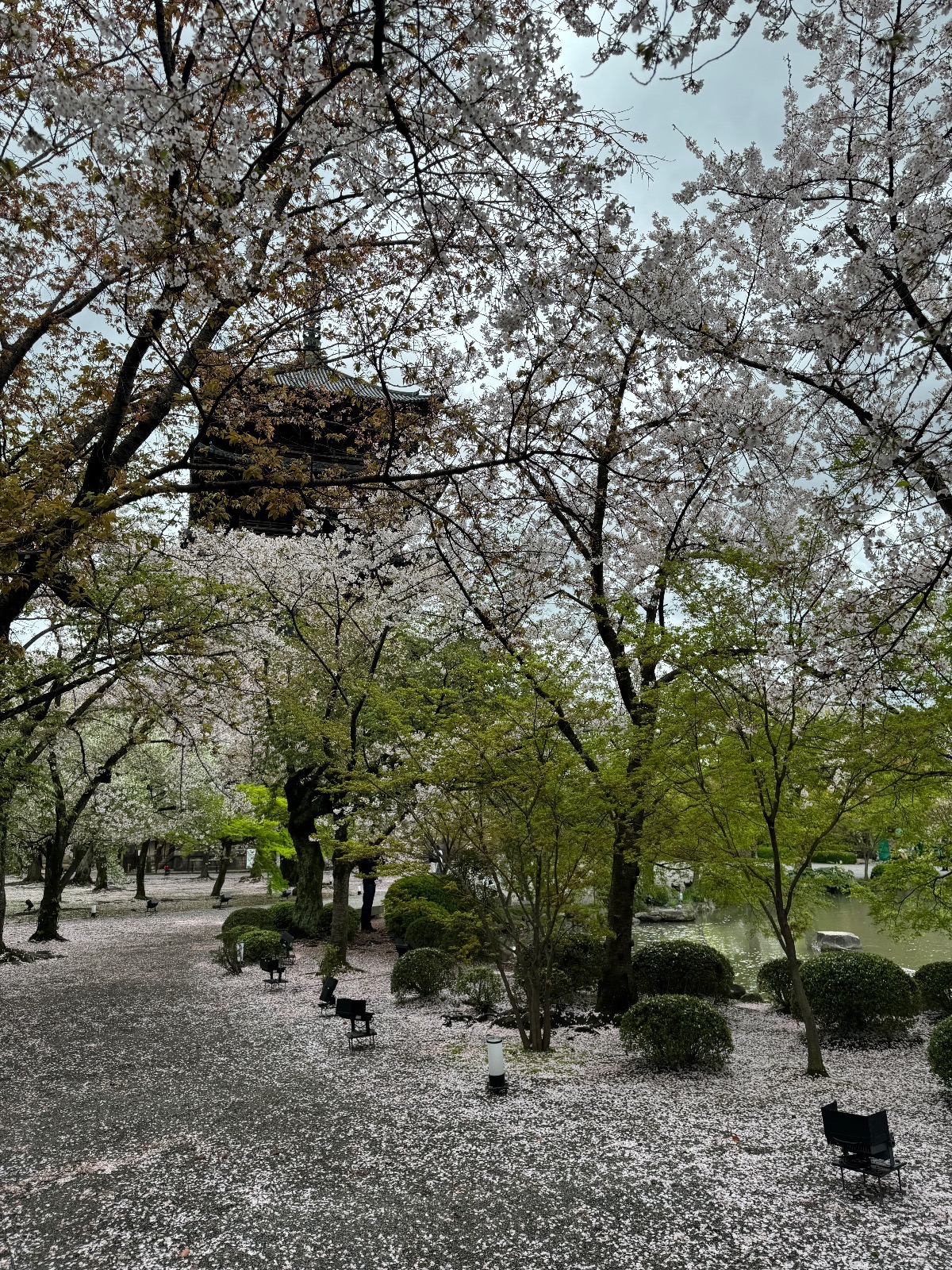
After filling my stomach, I walked further until a five-story wooden pagoda towering into the sky caught my eye. It was To-ji. Stepping into the temple grounds, I was welcomed by cherry blossoms in full bloom. The sight of the petals fluttering like a shower of pink rain with every gust of wind was pure ecstasy. Seeing the pale pink petals piled thick on the ground, I could feel the peak of spring with my entire body.
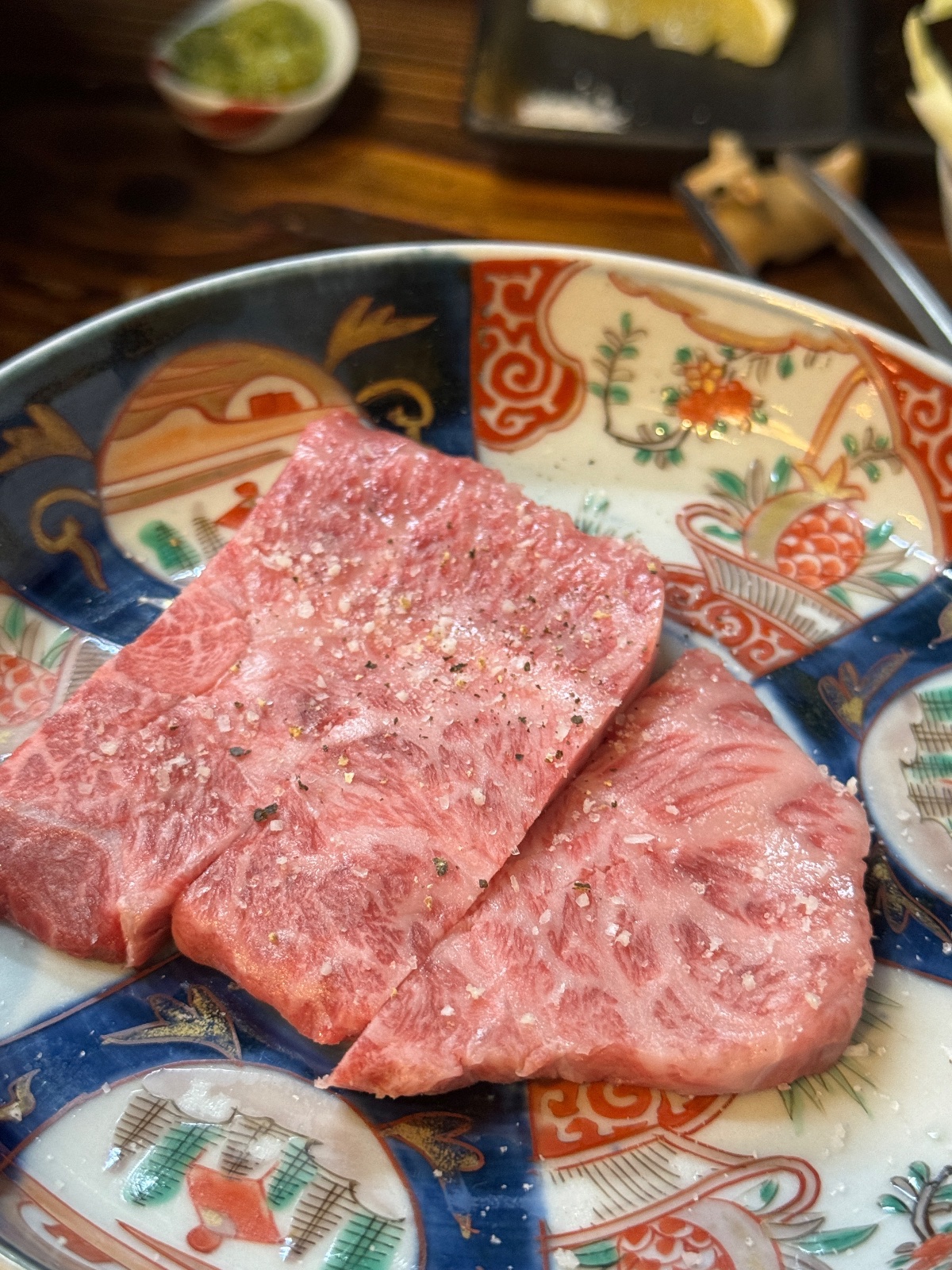
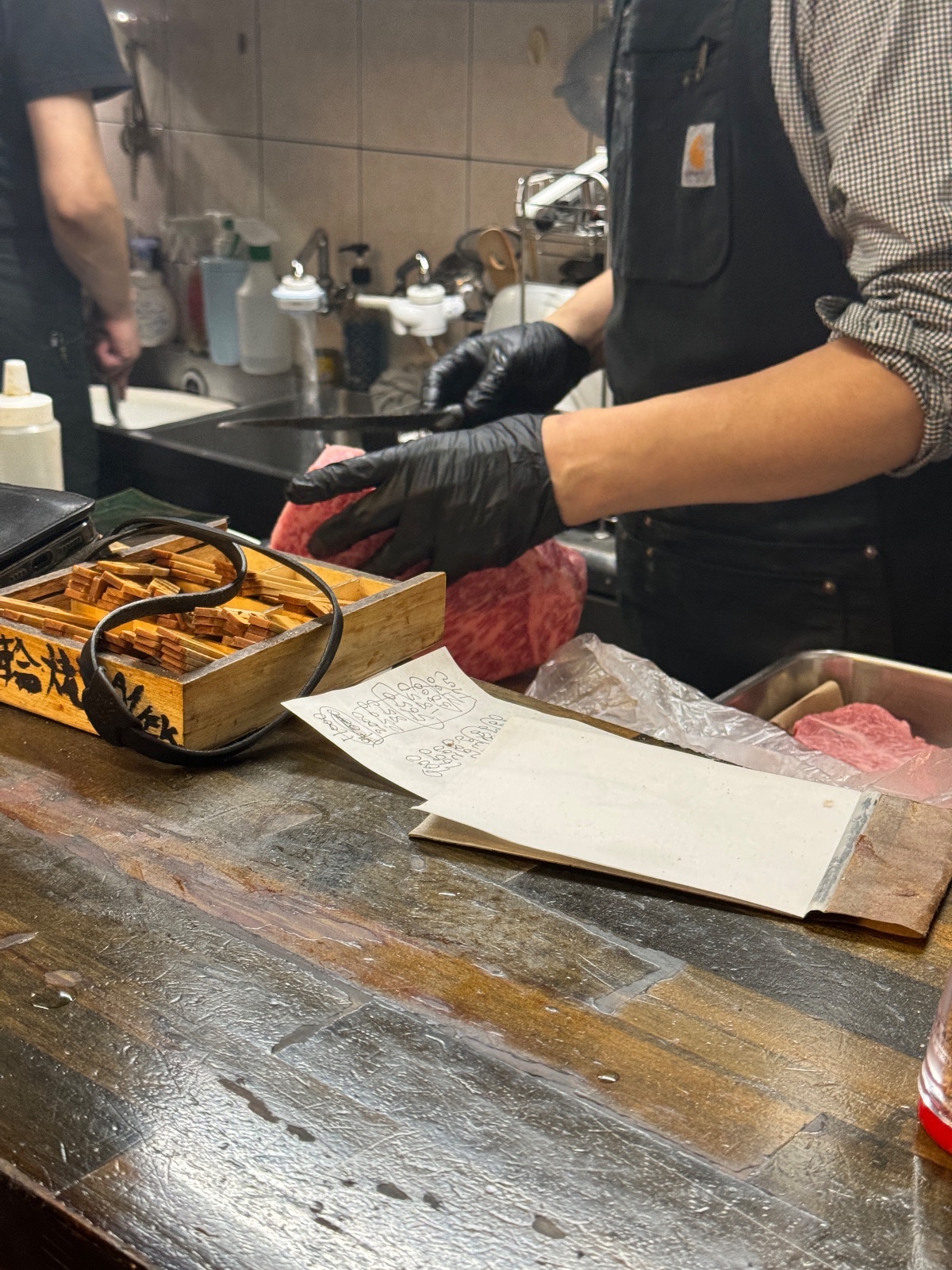
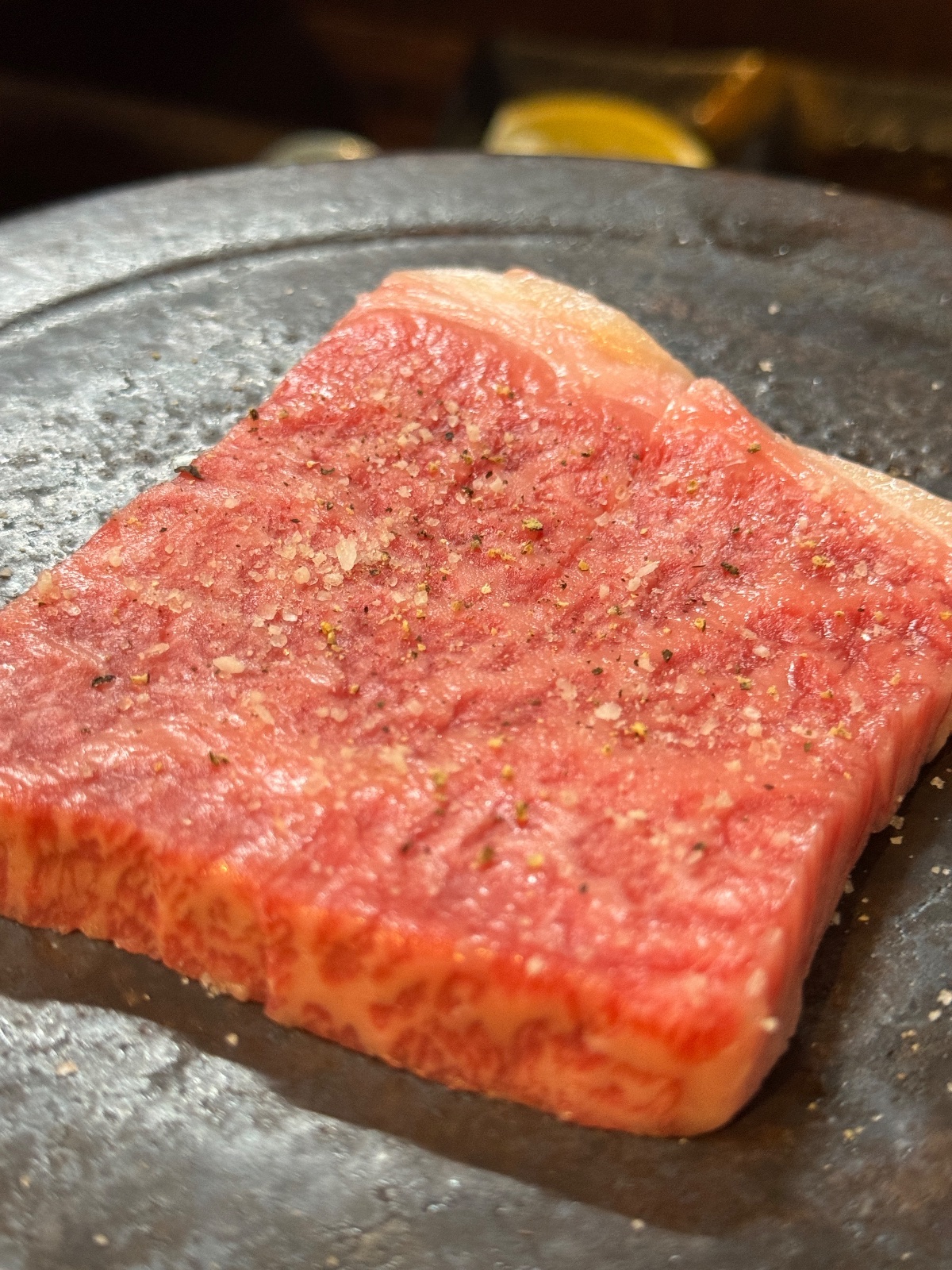
For dinner, I had yakiniku. I ended up eating beef quite often during this trip, and there was great joy in tasting such high-quality meat. Watching the chef carefully slice the meat right in front of me while waiting for it to cook deliciously on the grill was more than enough to melt away all my travel fatigue.
My time in Kyoto was thoroughly satisfying. The countless historical sites reminded me of Gyeongju in Korea, and the food was consistently delightful to the palate. For a traveler who enjoys walking in solitary contemplation, Kyoto is undoubtedly the ultimate destination. Now, leaving my lingering attachments behind, I make my way to my next destination, Hiroshima.