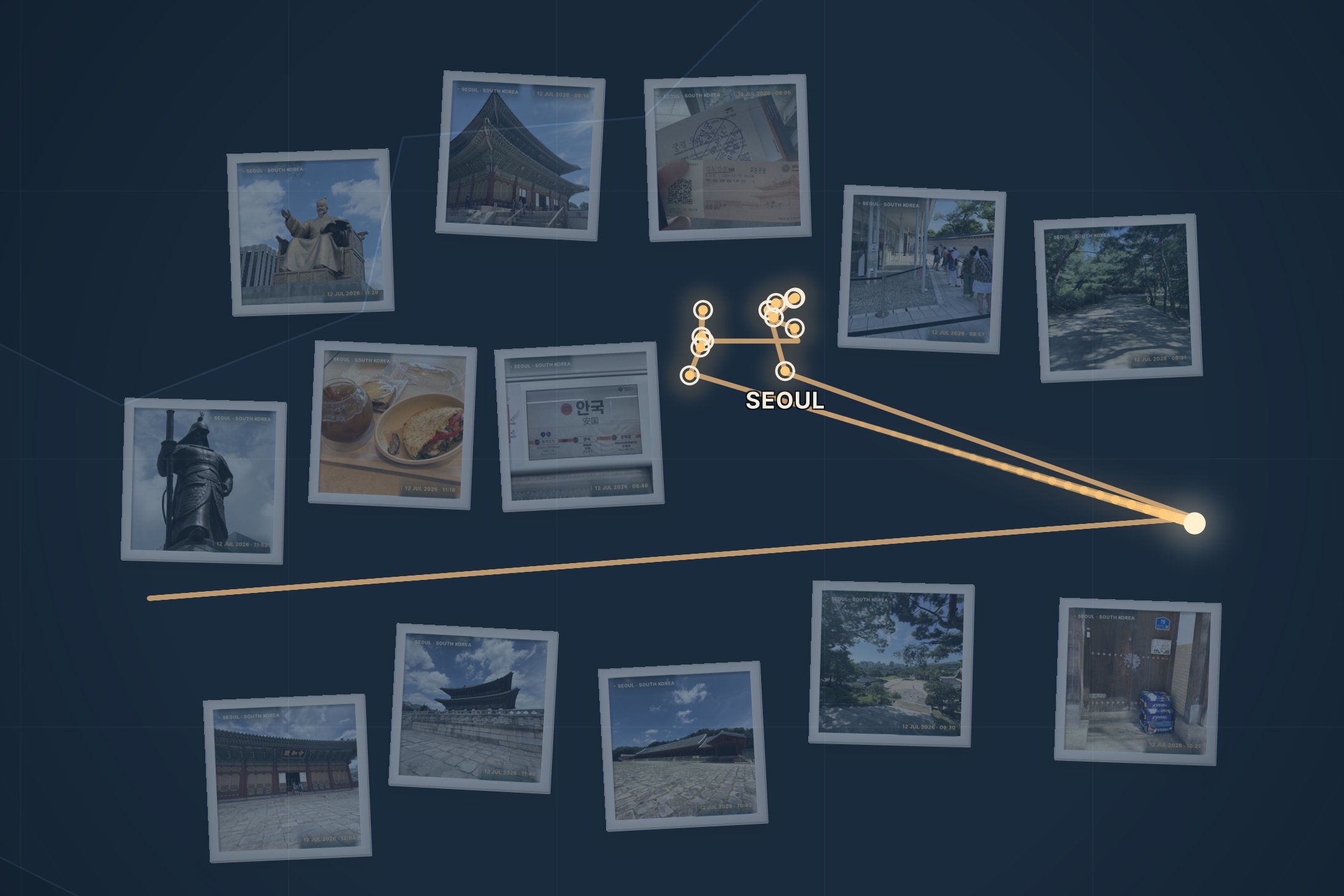
A Pilgrimage Through Seoul's Palaces in One Day
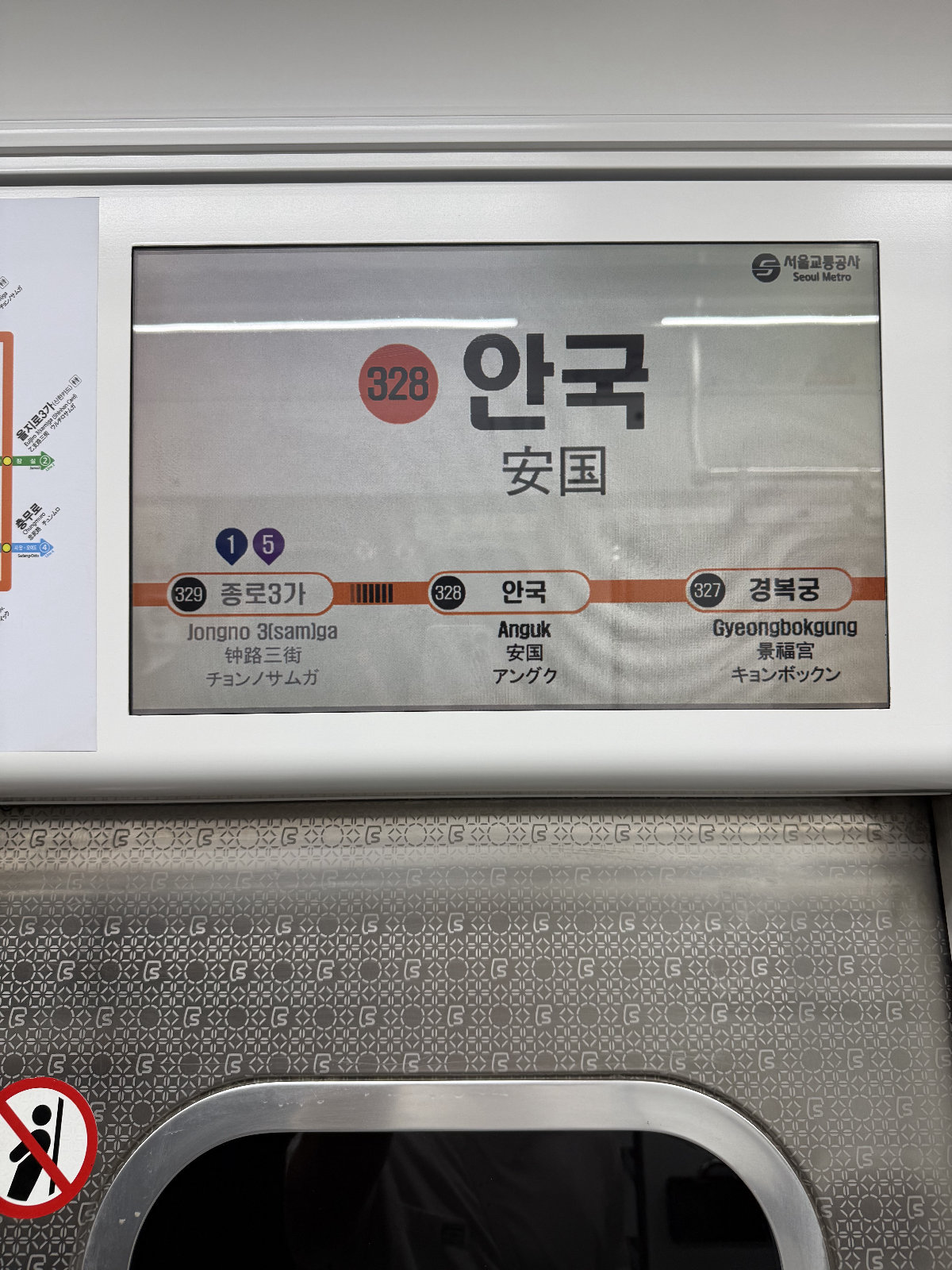
On a particularly clear summer morning, I suddenly felt the desire to visit all of Seoul's palaces in a single day. I pass by them every day, but when was the last time I actually visited with intention? With a little excitement, I left home. Choosing Anguk Station, convenient for the itinerary, as the starting point for the palace tour was an excellent decision.
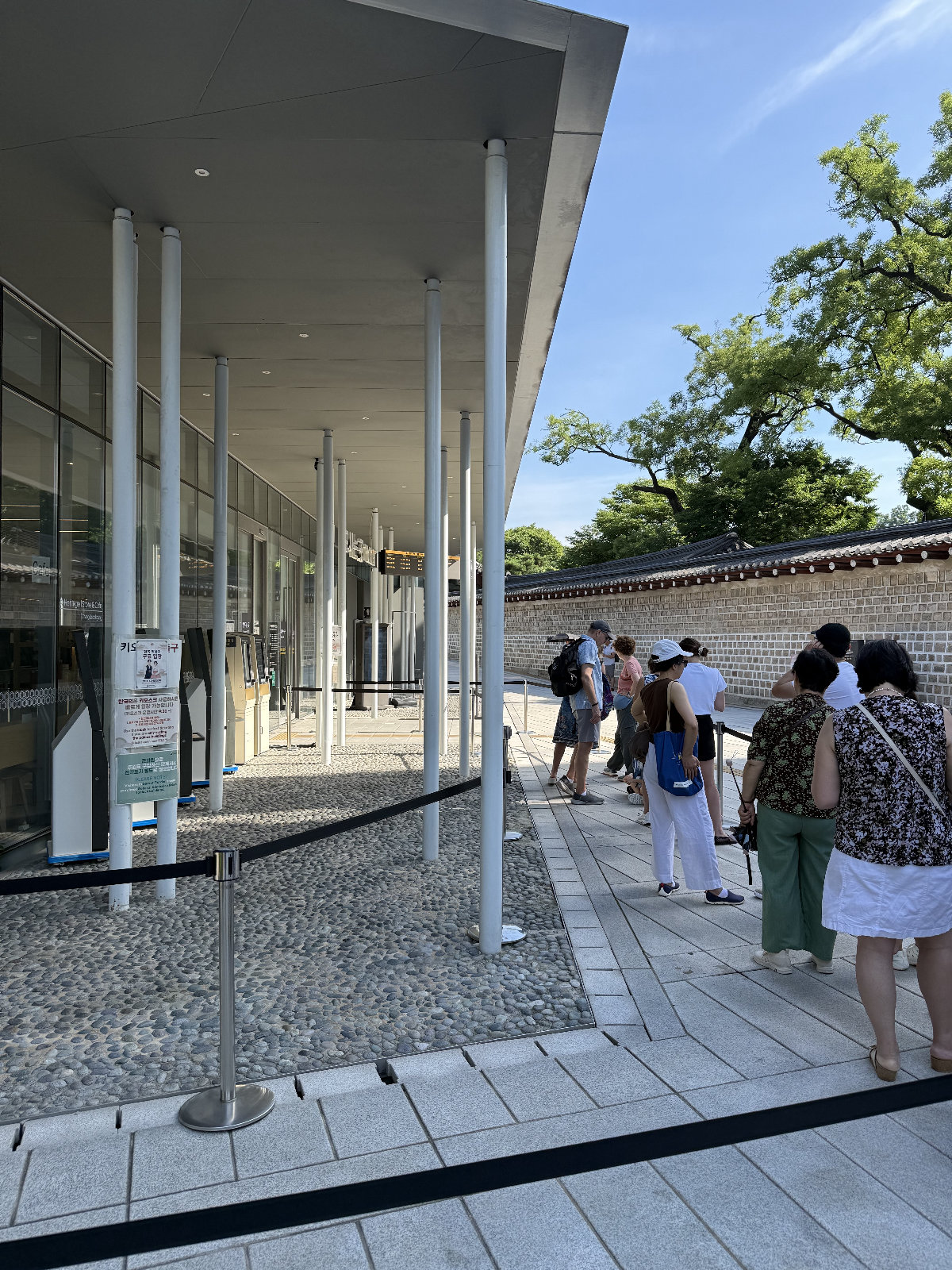
My first destination was Changdeok Palace, a UNESCO World Heritage site. However, I struggled a bit to find the ticket office entrance. Looking around to ask for directions, I saw only foreign tourists. Feeling a bit embarrassed to ask for directions as a Korean, I hesitated, but then I instinctively knew 'Ah, it's over there' when I saw the long line. The passion of those visiting the historical site from early morning was intense.
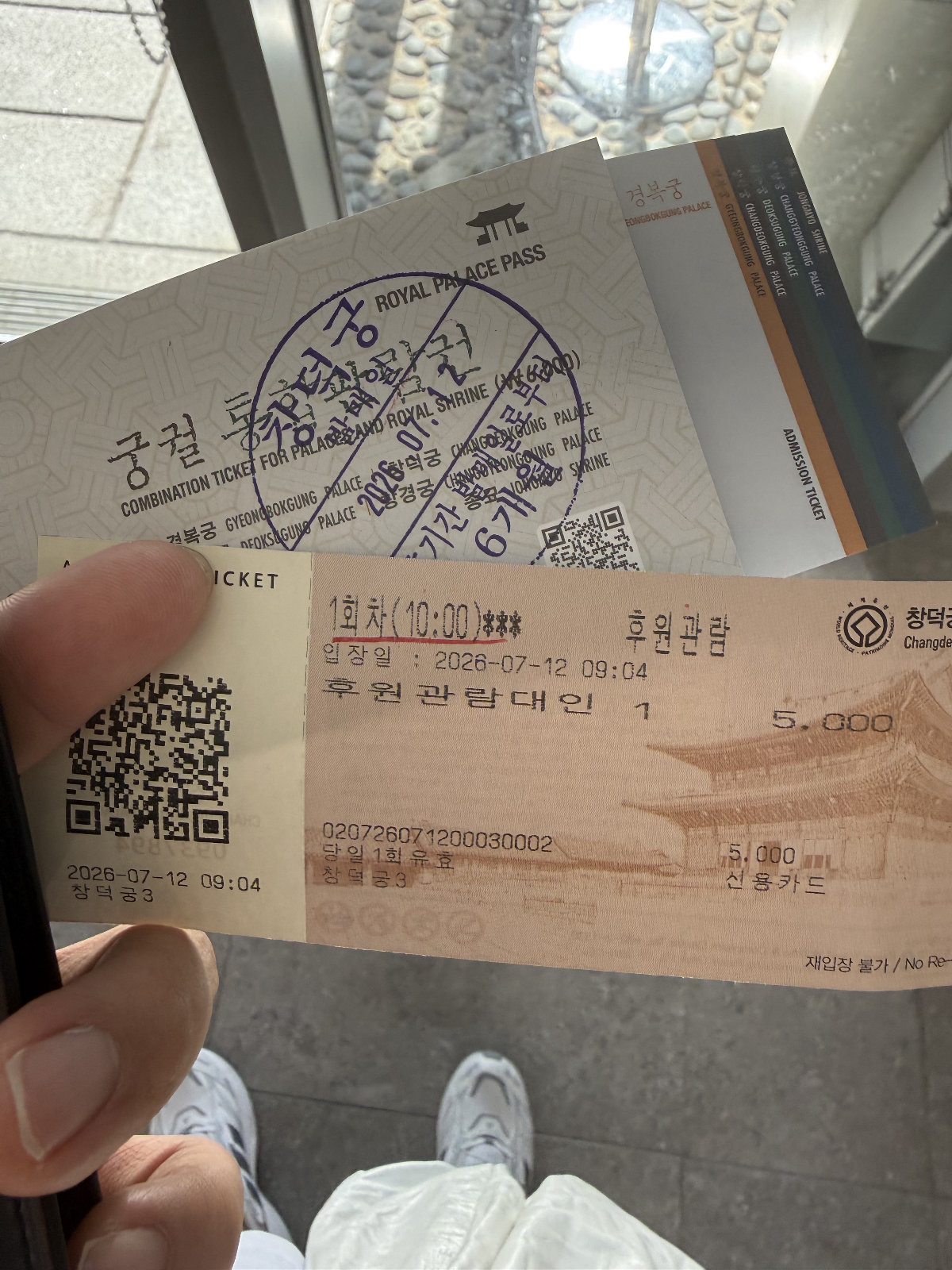
I purchased a combined admission ticket that grants access to Gyeongbok Palace, Changdeok Palace, Changgyeong Palace, Deoksu Palace, and Jongmyo Shrine. After Gyeongbok Palace was burned down during the Imjin War, Changdeok Palace, where Joseon kings resided the longest, stands out for its architectural beauty that follows the natural terrain. It seemed to reflect the aesthetic sense of the ancestors who valued harmony with nature over splendor. In particular, the Secret Garden, the king's resting place, is said to be so beautiful that it's called a 'secret garden,' making it well worth the separate ticket to enter.
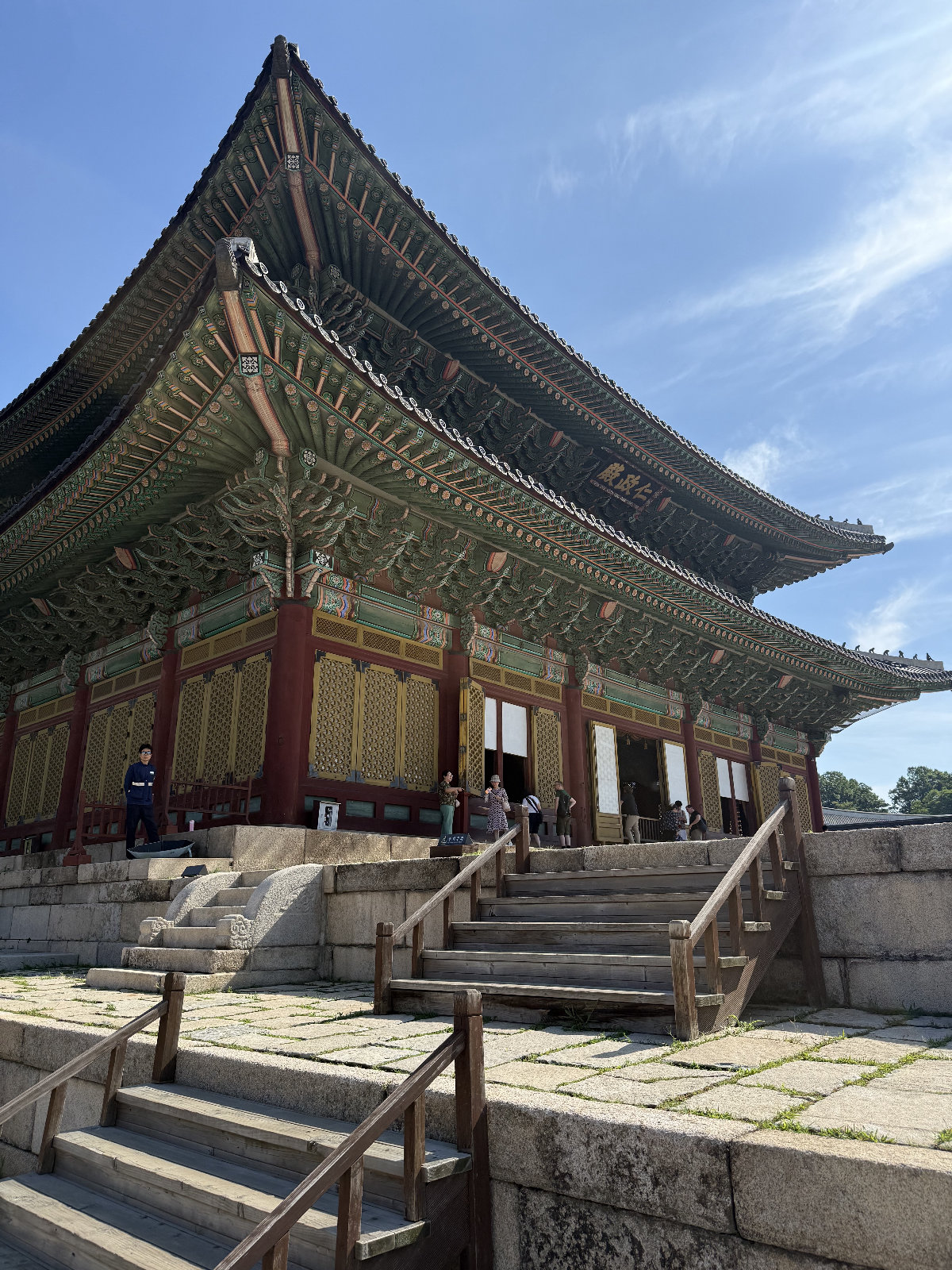
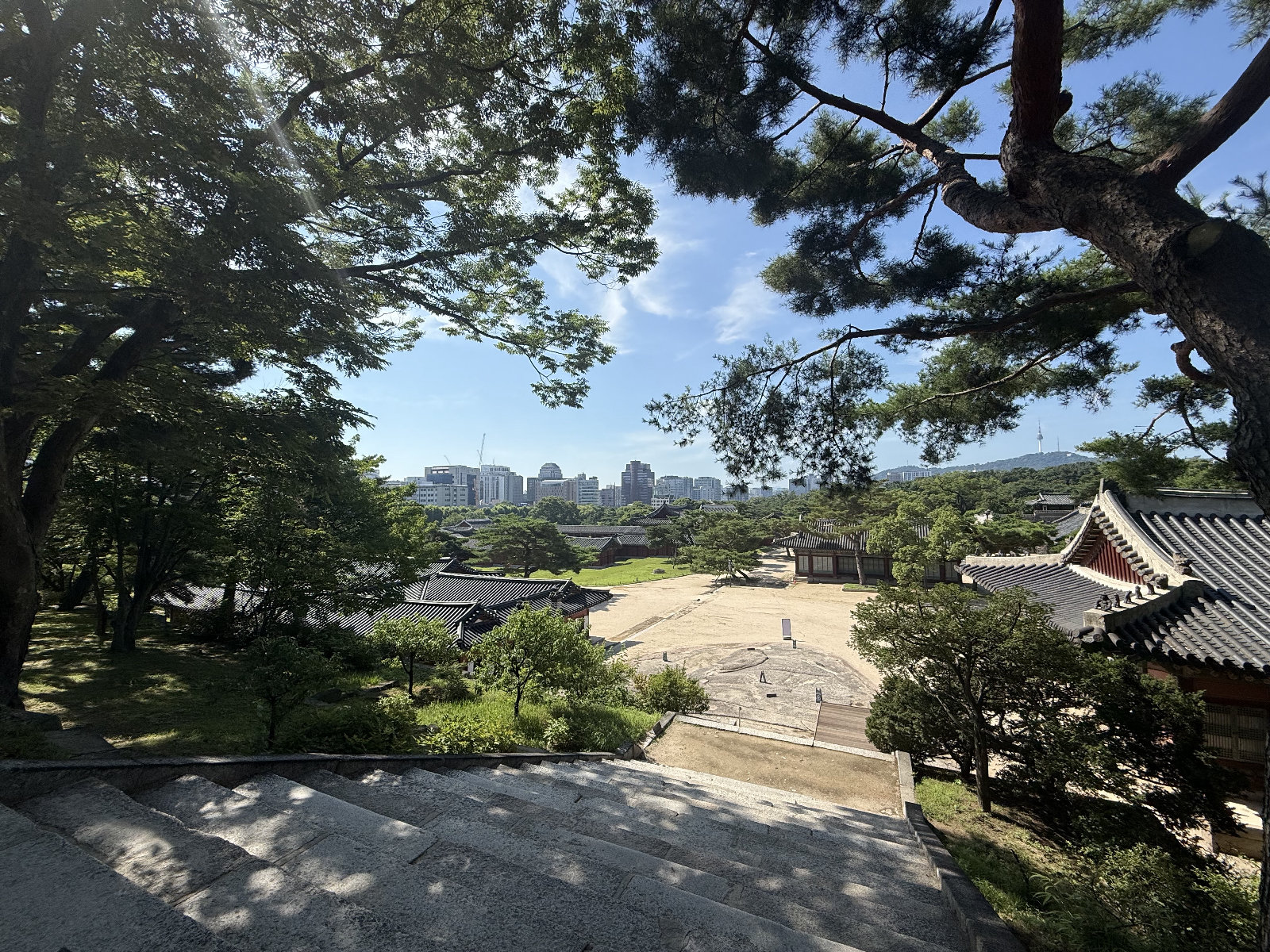
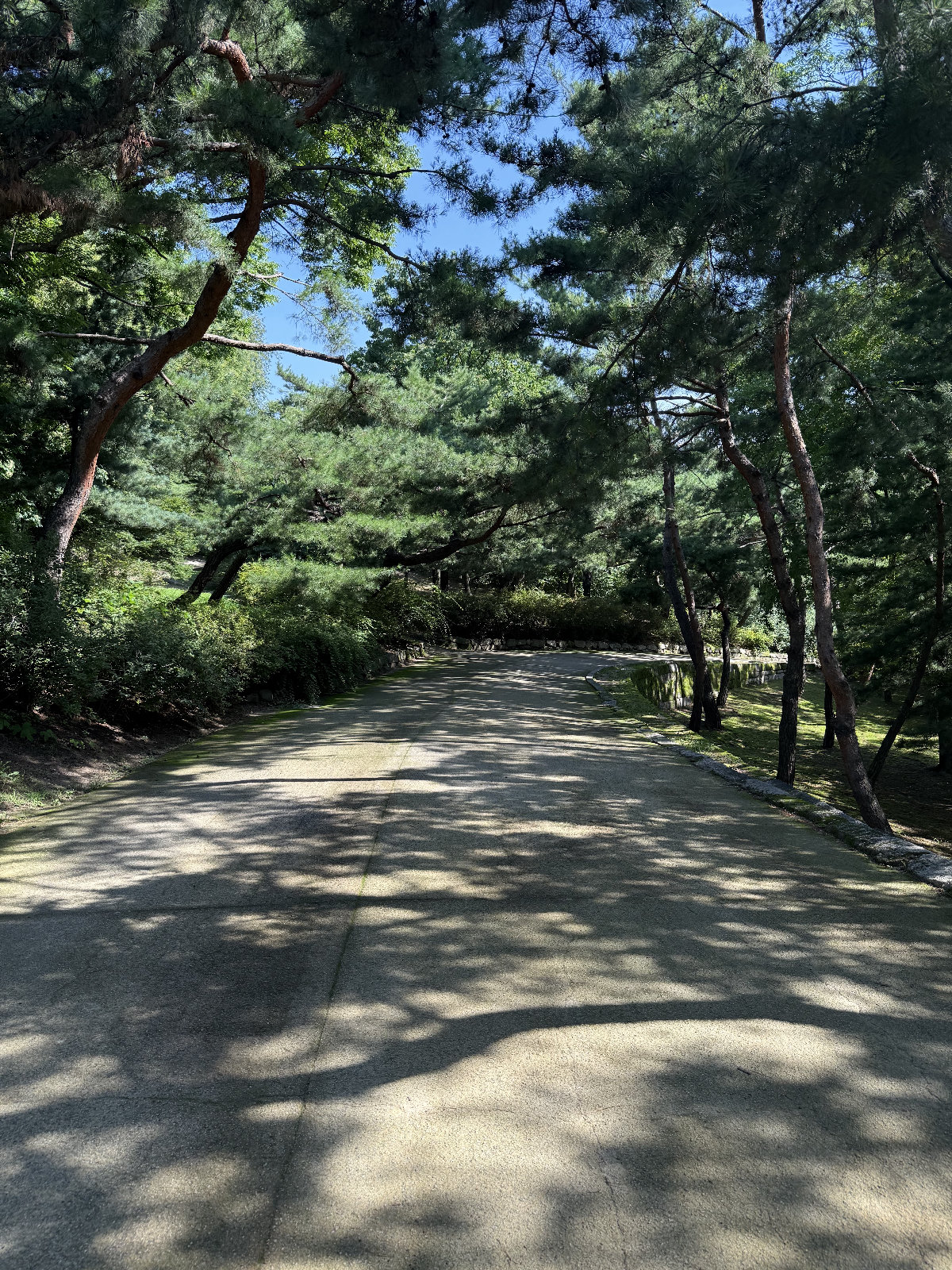
I moved my steps to Changgyeong Palace, adjacent to Changdeok Palace. The cozy forest path connecting the two palaces made me feel as if I were walking the path the king used for his commute. Changgyeong Palace was originally built by King Taejong for his father, the retired king, making it a space born from filial piety. During the Japanese colonial period, it suffered the tragedy of having a zoo and botanical garden built within its grounds, but it has now regained its original form and serves as a tranquil resting place. The view of the modern Seoul cityscape overlapping beyond the panoramic view of the palace seen from the hill evoked a peculiar sentiment.
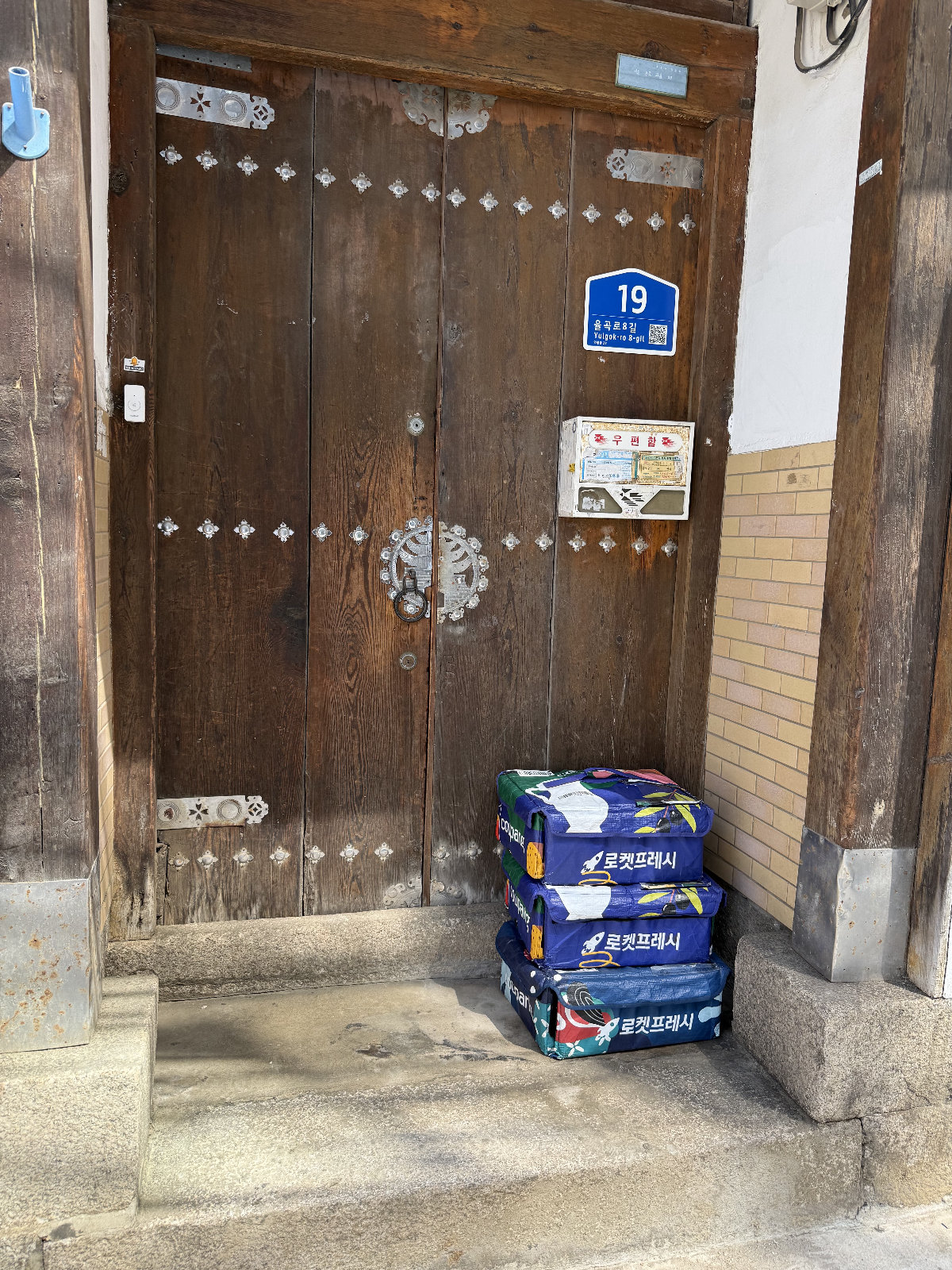
On the way from the palace to Jongmyo Shrine, I noticed a delivery package placed in front of a traditional Hanok gate. A landscape that transcended time made me chuckle involuntarily. While walking and thinking, 'They probably couldn't resist rocket delivery even in the Joseon Dynasty,' I soon arrived at Jongmyo Shrine.
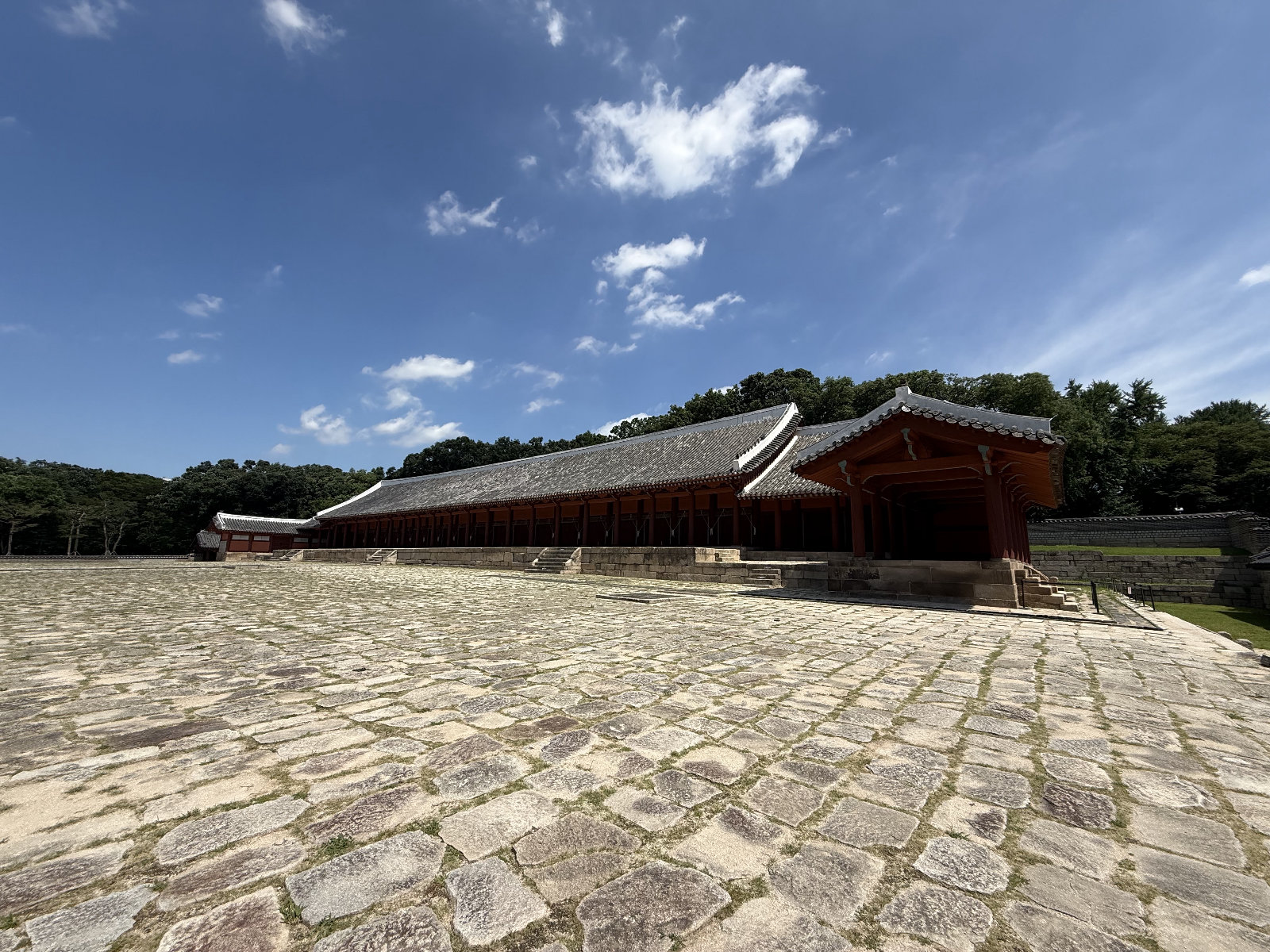
Jongmyo Shrine is a royal shrine where the ancestral tablets of the Joseon Dynasty's kings and queens are enshrined and ancestral rites are performed. Unlike the ornate palaces, a solemn and restrained beauty fills the space. Gazing at the endless expanse of rough paving stones, I thought about how much sweat must have been shed to create this path. As I walked along the long corridors, the weight of history was palpable in the solemn silence.
Having visited Jongmyo Shrine, I had seen about half of my planned sites. It was then that I remembered I hadn't eaten breakfast. The sudden hunger and heat made me feel dizzy. However, perhaps due to the travel mood, even this hunger felt leisurely. 'Let's just go into the first place I see on the way to Gyeongbok Palace.' With that resolution, I moved my feet.
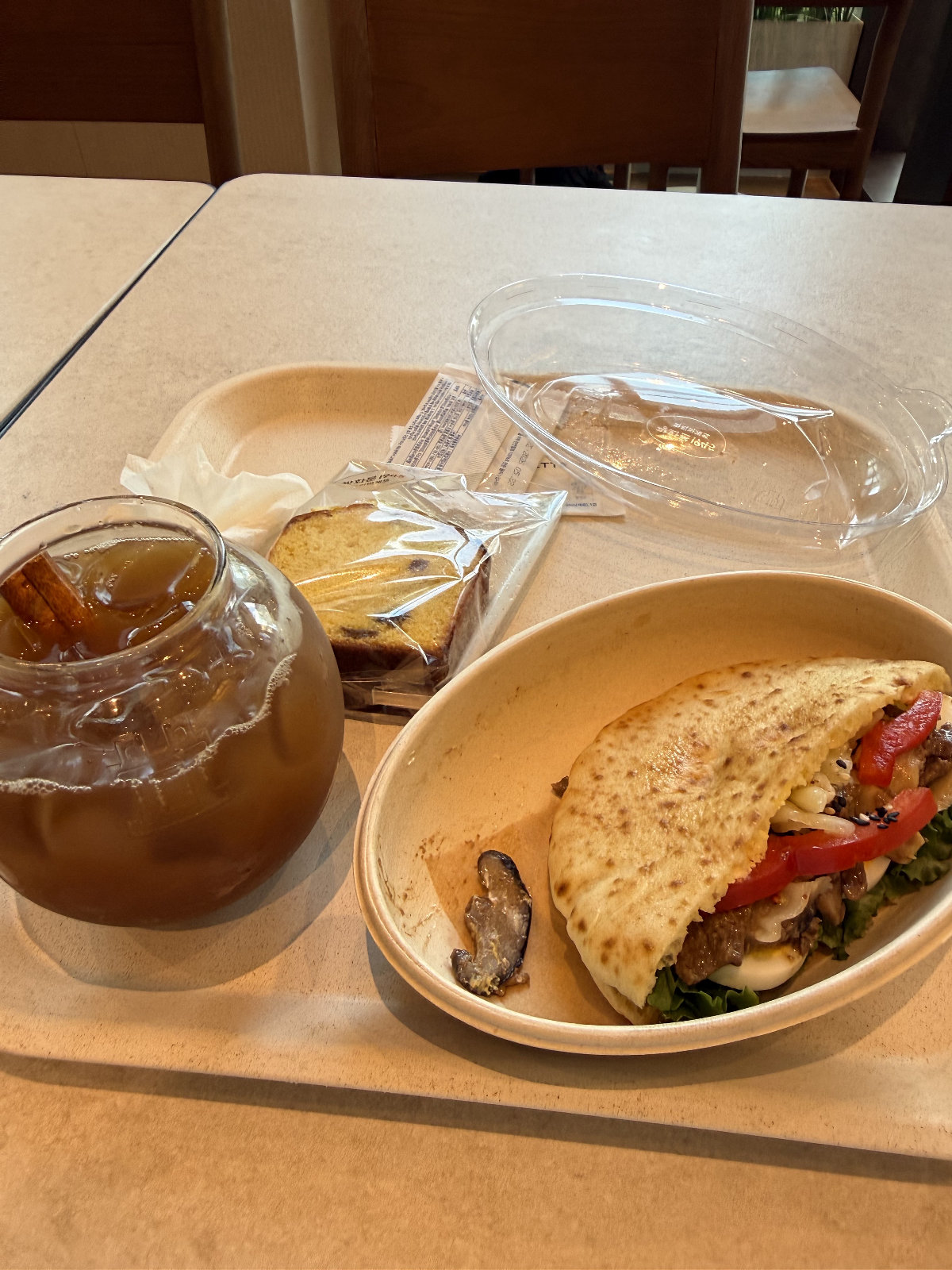
In the end, unable to resist my hunger, I went into a Paris Baguette near Gwanghwamun Station. Without even the luxury of choosing a restaurant, I was drawn in as soon as I saw the sign. It seemed a bit expensive, perhaps because it was a tourist location, but I quickly regained my energy with the filling bread and cool sujeonggwa (traditional Korean cinnamon punch). After satisfying my hunger, I went back outside.
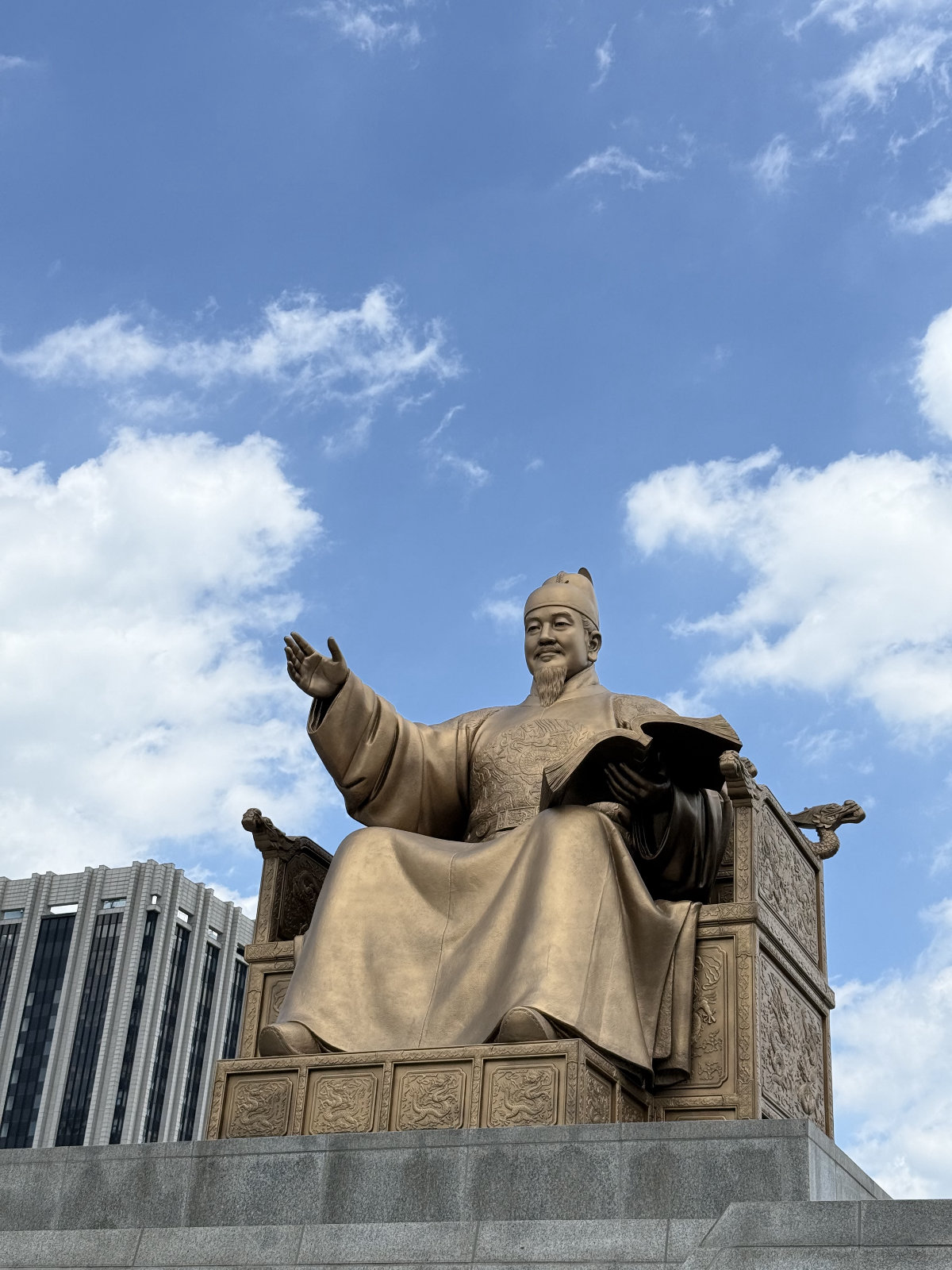
As I stood in Gwanghwamun Square, the first thing that caught my eye was the statue of King Sejong the Great, with his benevolent expression. Behind it, the main gate of Gyeongbok Palace, the royal palace of Joseon, Gwanghwamun, displayed its majestic presence. Gwanghwamun, which has steadfastly stood its ground through numerous invasions and historical turmoil, offered a profound sense of emotion simply by its existence.
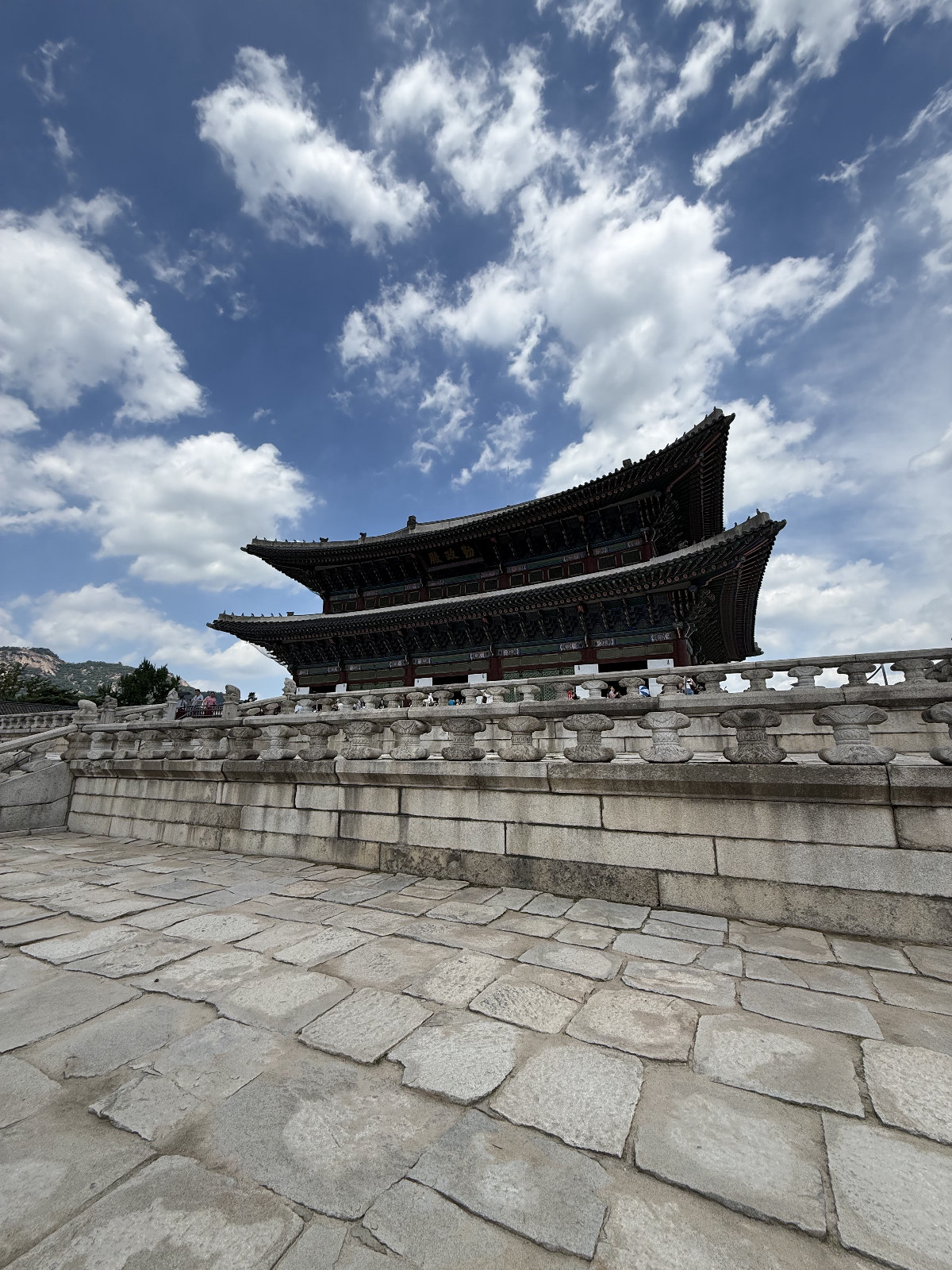
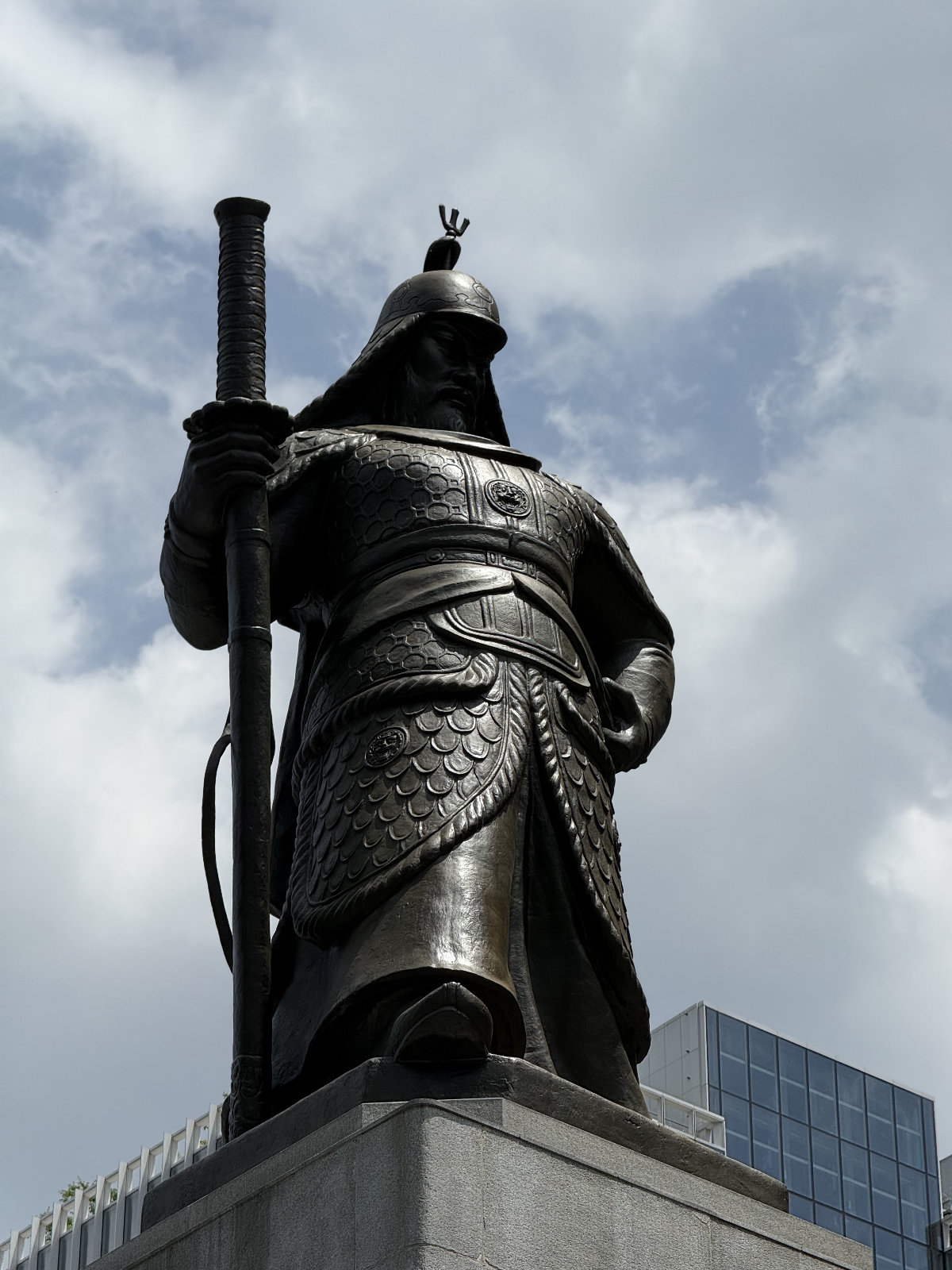
My final destination was Deoksu Palace, the imperial palace of the Korean Empire. This place, where Emperor Gojong resided after returning from his refuge in the Russian legation, presents a unique landscape where traditional wooden architecture coexists with Western-style stone buildings. Thinking of it as a place imbued with Emperor Gojong's struggles to protect the nation's sovereignty made my heart ache. I concluded my short palace tour by taking in the magnificent colorful dancheong (traditional painted patterns) of the Daehanmun Gate.
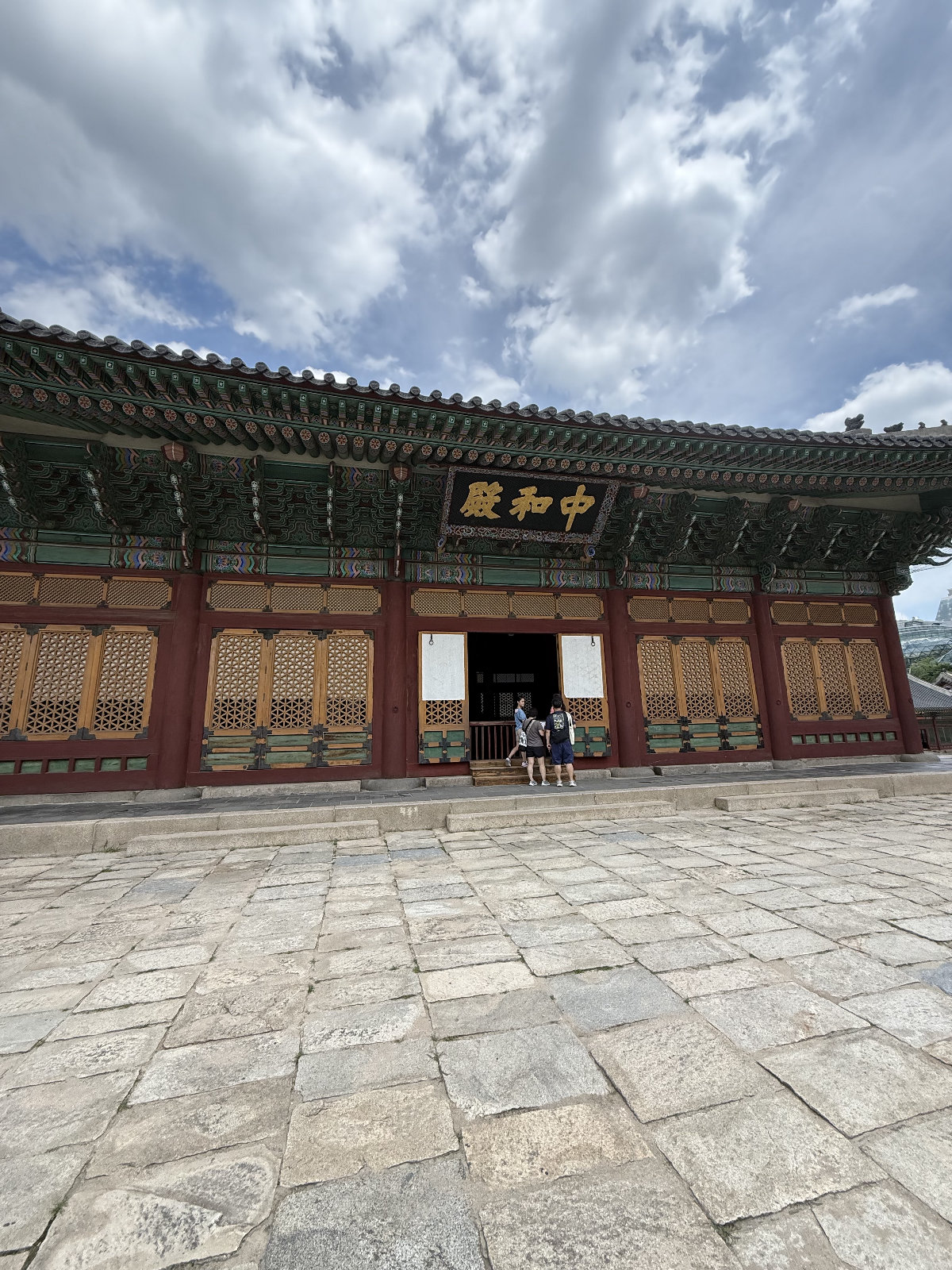
Leaving Deoksu Palace and heading towards City Hall Station, I reflected on the packed day. Back home, after a shower and lying down in bed, I finally felt like the trip had truly ended. Perhaps I travel to unfamiliar places intentionally to feel this comfort and sense of relief. It was a fulfilling day that reminded me of the value of familiar spaces.